back
Category Archives: Works
MARAPHONE
MARAPHONE.
Android application, done with the open source environment PROCESSING. Maraphone mimics musical instrument. When the phone is shaked produces sound, also you can choose diferent icons and send it to people from your contact list.
Download Processing Android Code.
Inteface Culture LAB.
Michael Holzknecht.
Chistina Dellemeschnig.
César Escudero.
Isidora Ficovic.
Onat Polat.
Hyeonjin Kim.
David Gann.
Supervisor: Tiago Martins.
NYC 2010/2011
[nggallery id=60]
“Think Pink” by Isidora Ficovic at Ars Electronica 2013; “Use at your own risk”, Interface Culture exhibition
[nggallery id=59]
at Brucknerhaus, Linz
This interactive video installation uses the qualitative research method of taking interviews in the streets of Linz. The public has been investigated about the question ‘Which tool would you use to destroy a desktop?’. The most common answer is the “hammer”.
The public decided the hammer to become nonverbal communication tool. By hitting with the hammer the visitor of the exhibition triggers videos which are showing the interviews.
Embedded sensors are randomly opening different videos and only one is the key to the “Think Pink” when the monitor becomes colored in pink.
link to the video documentation
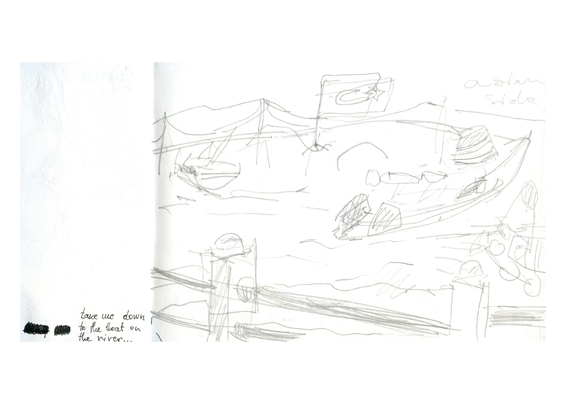
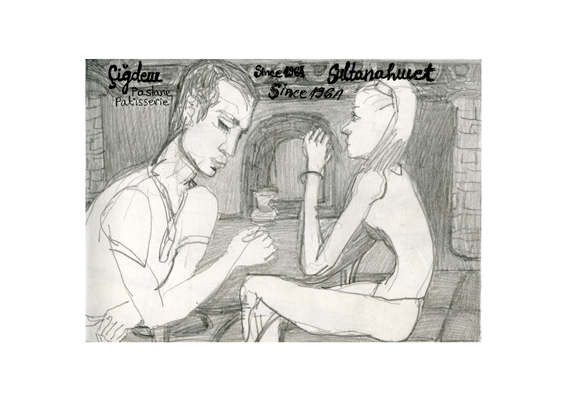
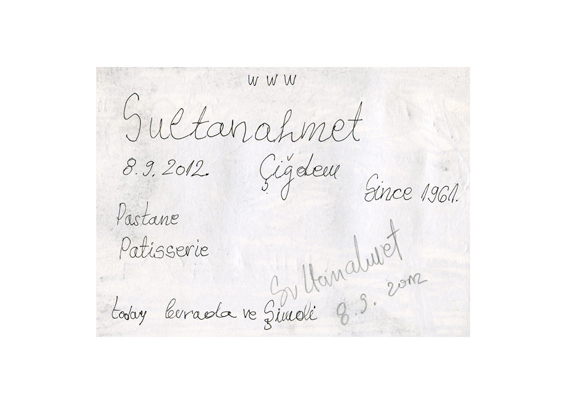
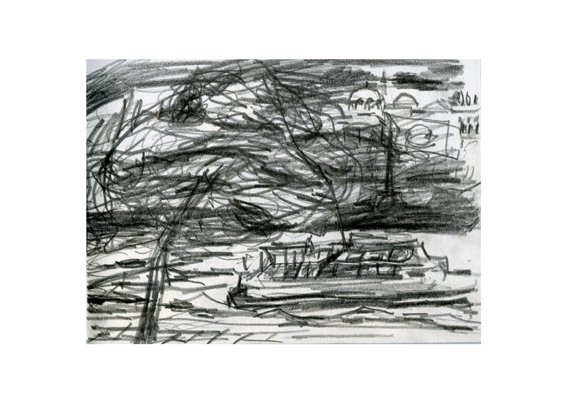
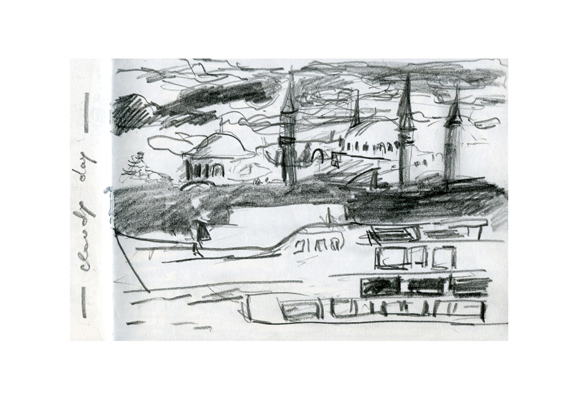
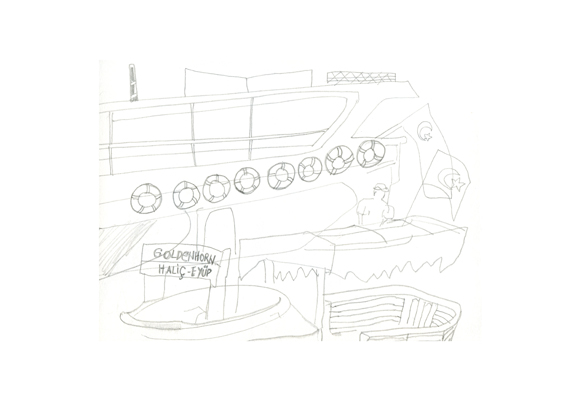
Istanbul 2012 – drawings
[nggallery id=58]
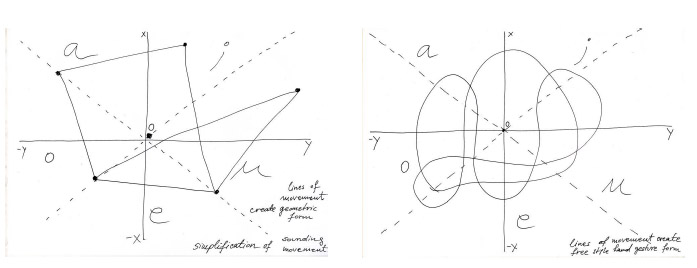
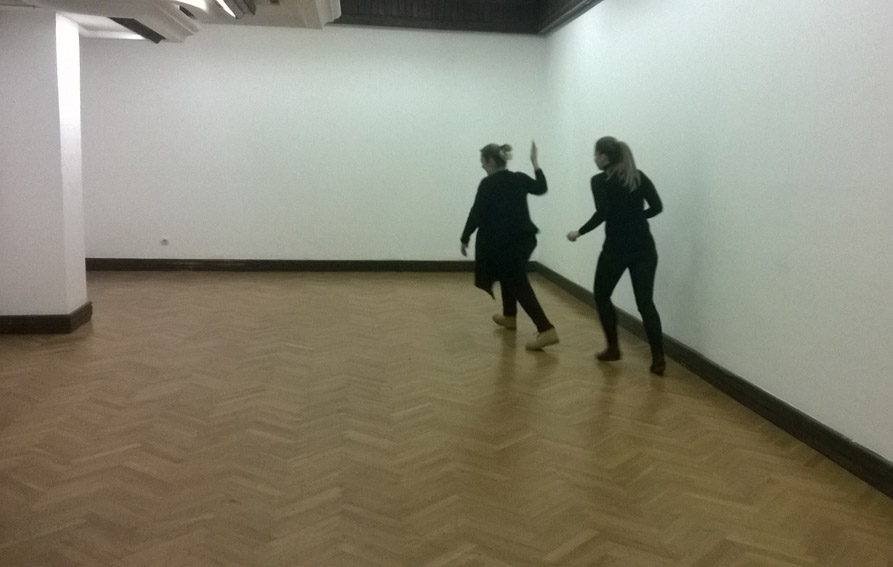
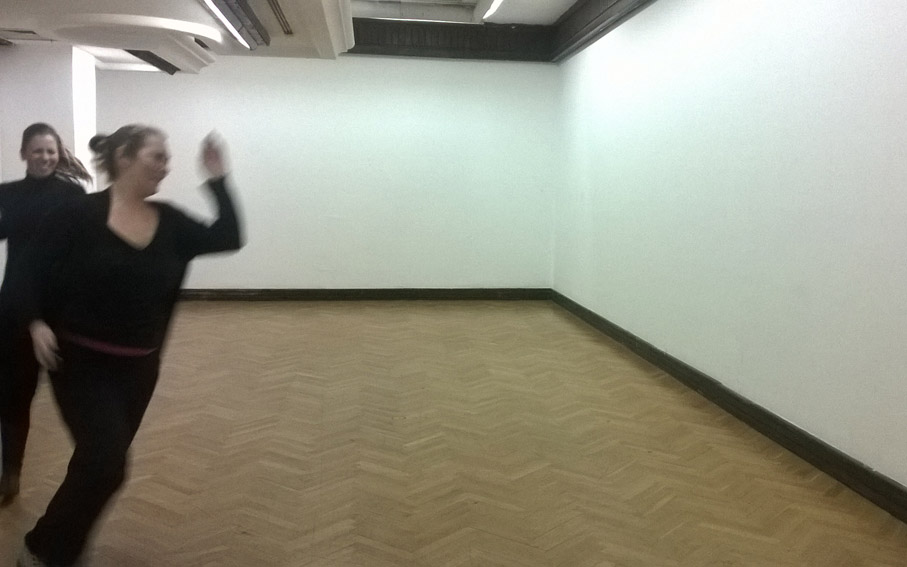
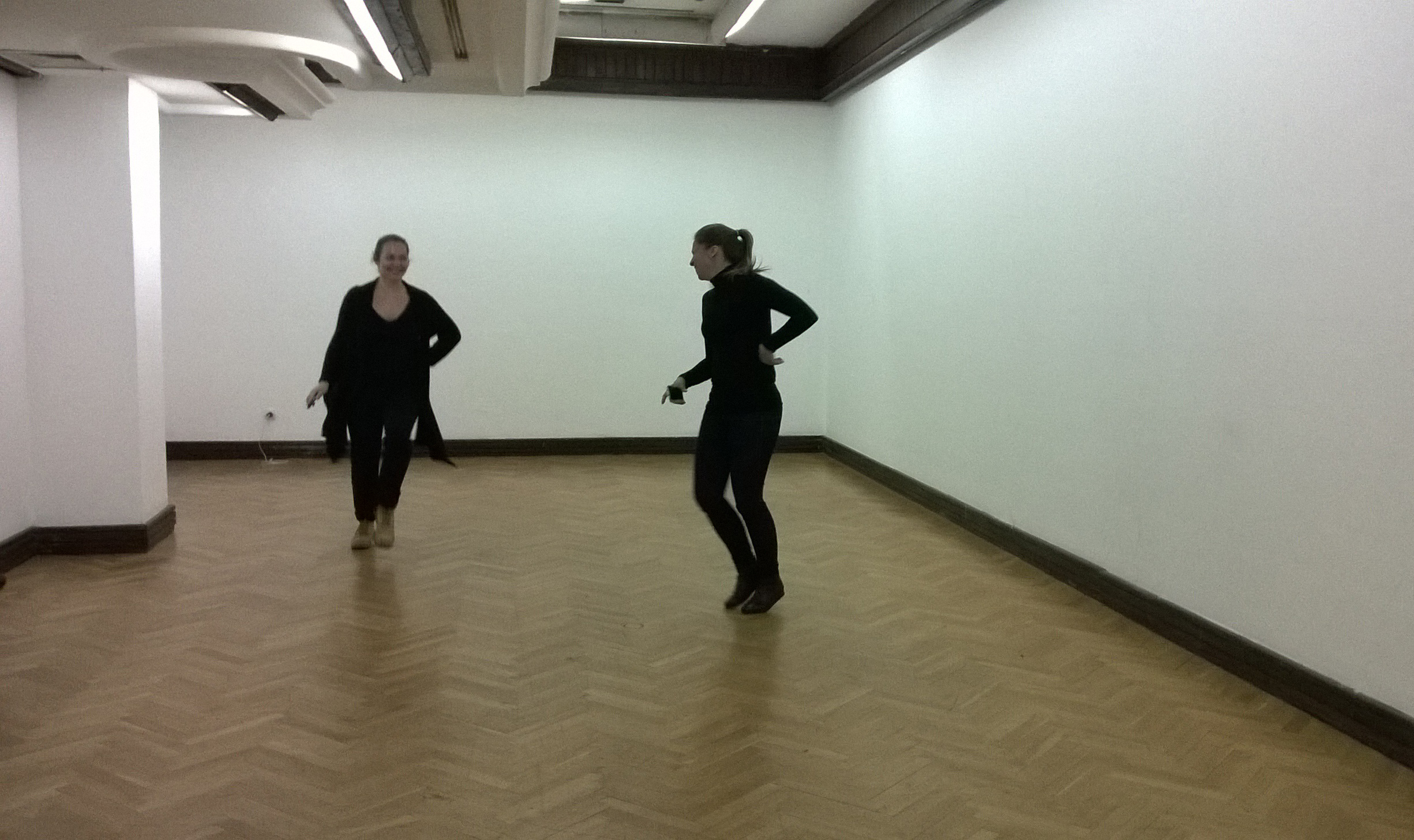
time-lapse, Stagebased Interaction with Chris Ziegler, The Gesture of Drawing Light with a Body Movement
Interactive performance
[nggallery id=57]
Idea of movement, physicality, image and sound. Body movement extends media into your own perception.
Storytelling by moving. The black stretchable suit with eight Ipods on it artist is using in transformation of physical space. Takes its own body and transform into art work.
Movement, light, sound, experience, the way how they are treated are all elements of this interactive performance that embed sound and movement. Interactive sounds reacts on movements. The values are calibrated for the artist own physicality, the sound qualities are designed in system, program, by changing samples, you play when you’re entering the system.
The challenge to relate your body with technology differently. The artist is involved physically, presenting human/computer interaction on stage. It relies on idea something existing only when you are doing.

First is the artistic idea, how can I play with new tool? In this case it’s the tool is the black suite with 8 Ipods that play sound and light and by the movement artist is controlling those features. For the sound artist has chosen Mozart’s Sonata in G minor, divided it into eight different samples that are played on eight Ipods and it’s overlapped by the movements of the Tai Chi Form 24.
It’s negotiation of movement, yourself and other principle (the sound system) and to make the quality, you have to listen your movements. Control system that works, translating physicality in space into image and samples, sound, light, motion.

Wearing the suite as an instrument includes the whole body, it’s sound/movement project about calibrating, experience level and comprehend thresholds light motion reacting on your energy; movements that make sense, designing and customizing it to deal with the energy of the move in the field. It’s on the level of sensational and experimental transform into art work. Data base of poetry navigate with your own body. Interesting is to see how people behave, if you do particular movement what is happening?Transforms the body, sound, space, something that you never do naturally.
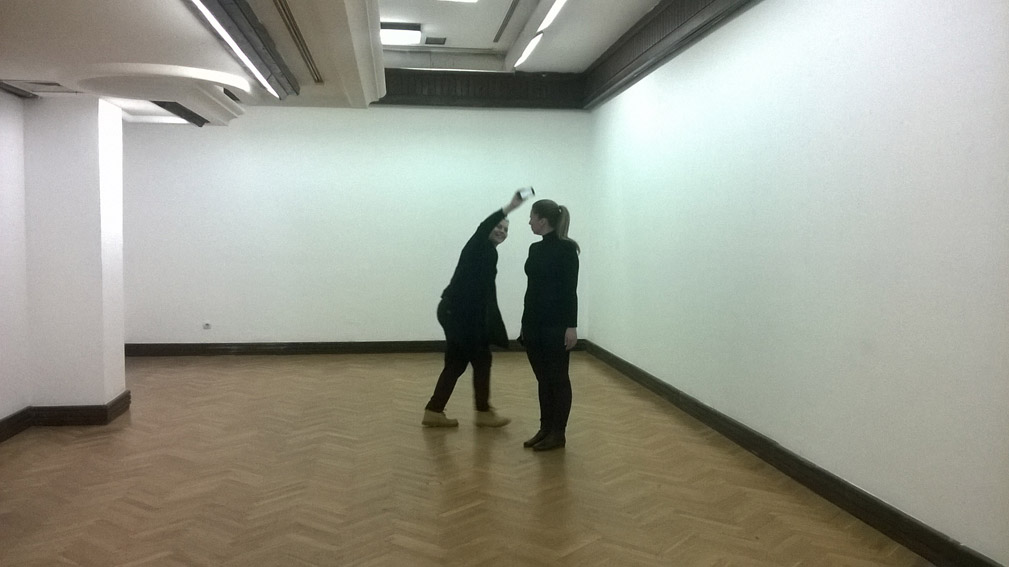
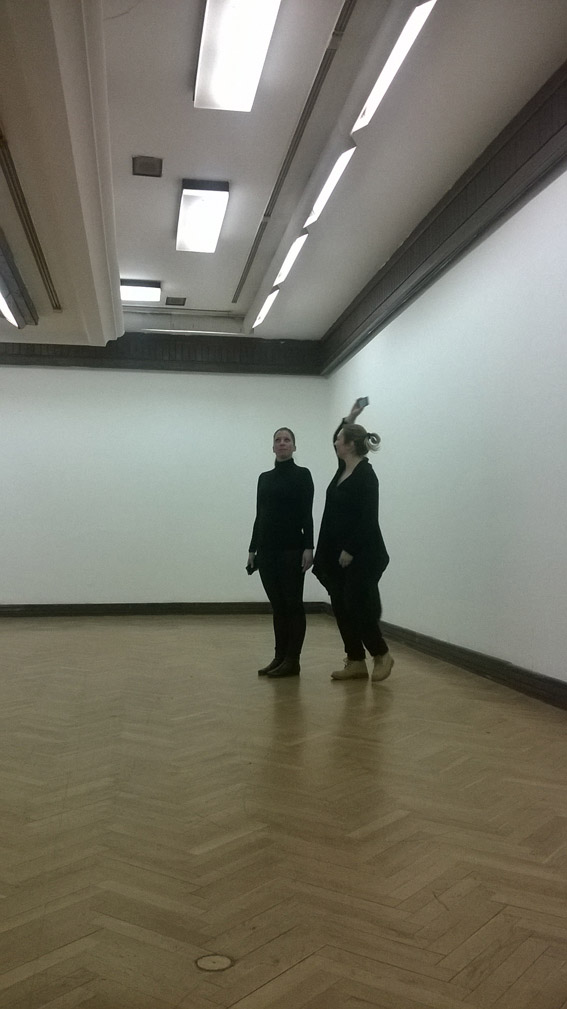
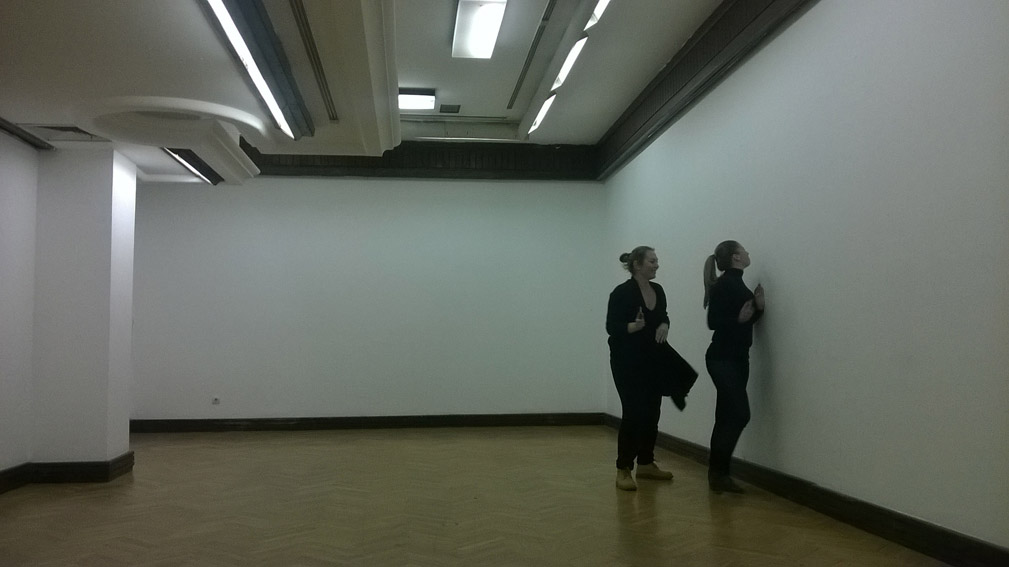
The preparation of performance is based on brainstorming, design, production and rehearsal, embraces quality notations of dance system. Tai Chi’s Form 24 is used in this case for the movement and it is work with cognitive (memorize the movement) language system.
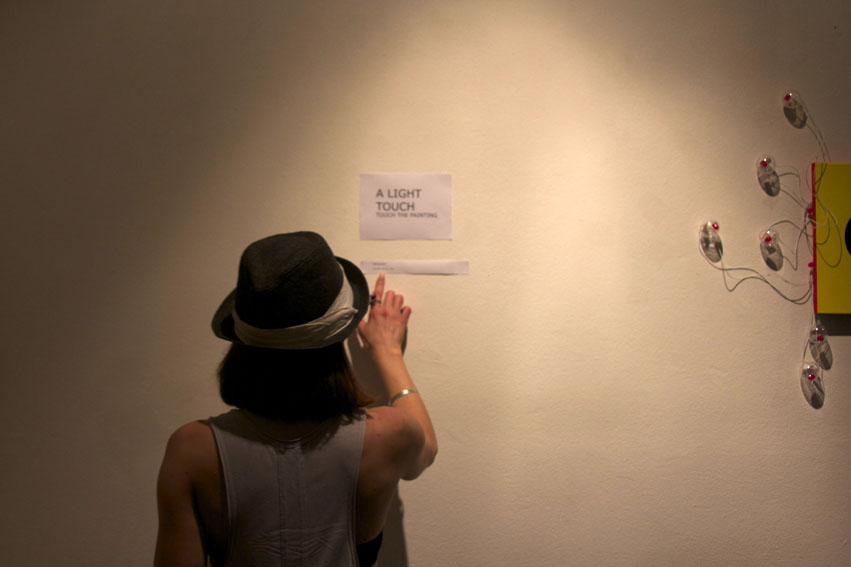
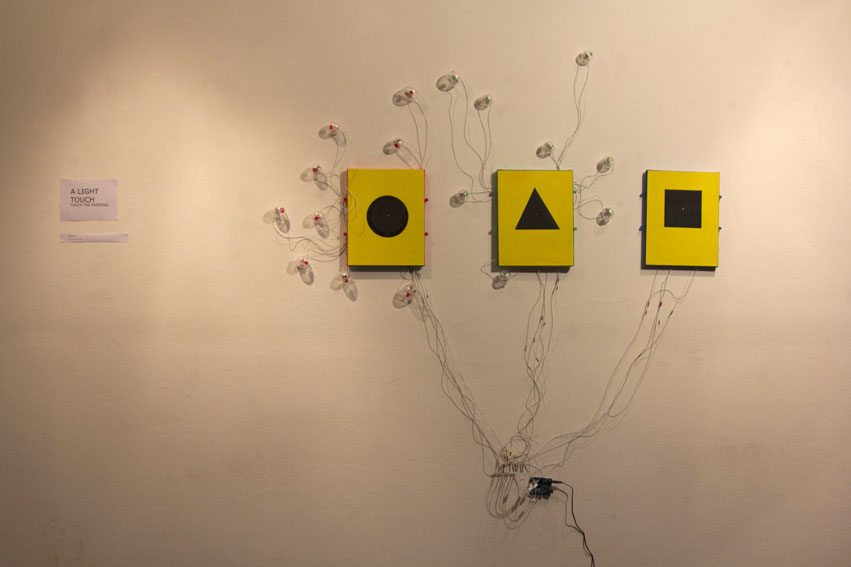
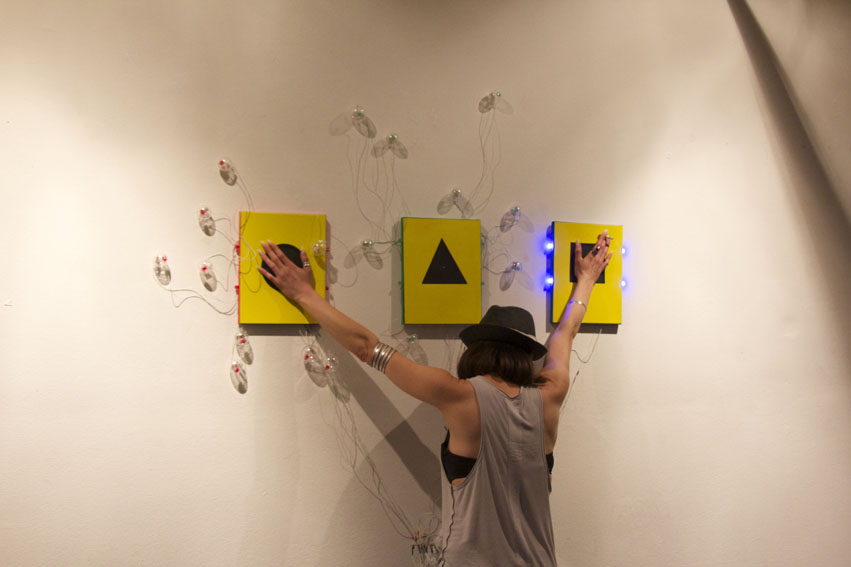
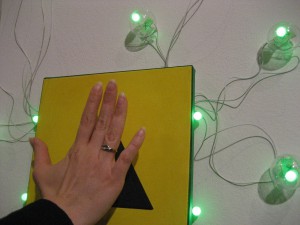
“I am not Yoko Ono”
[nggallery id=56]
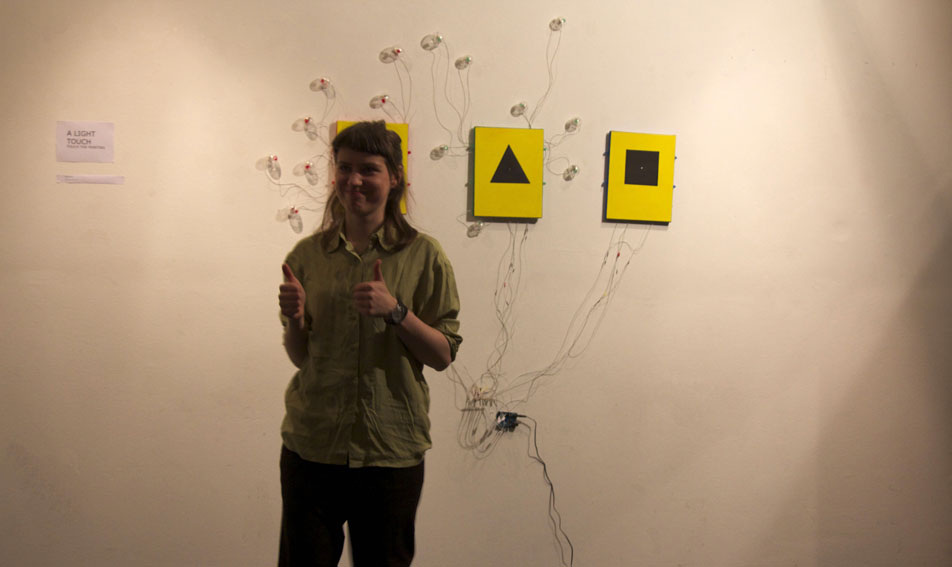
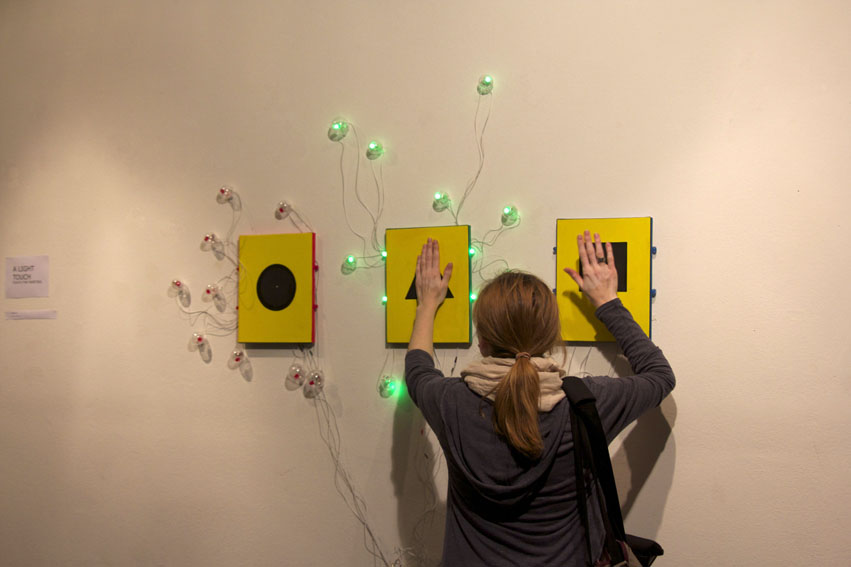
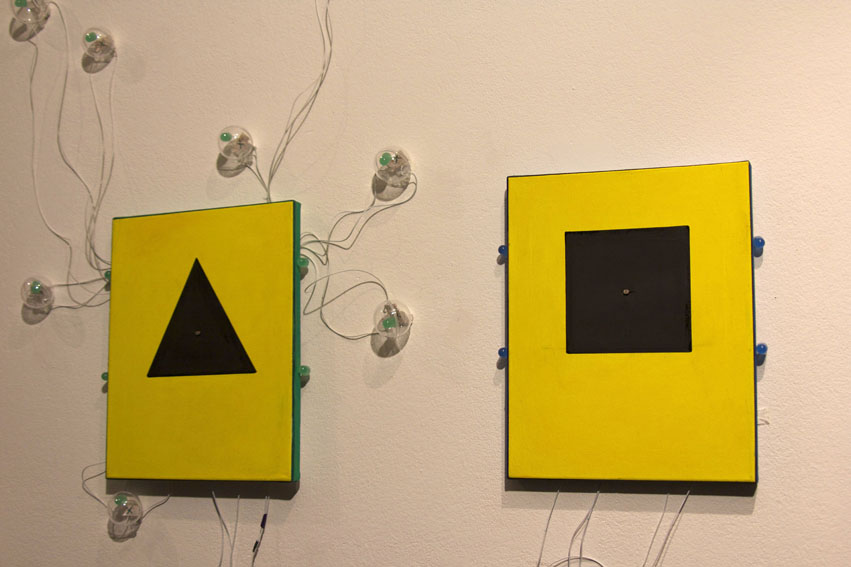
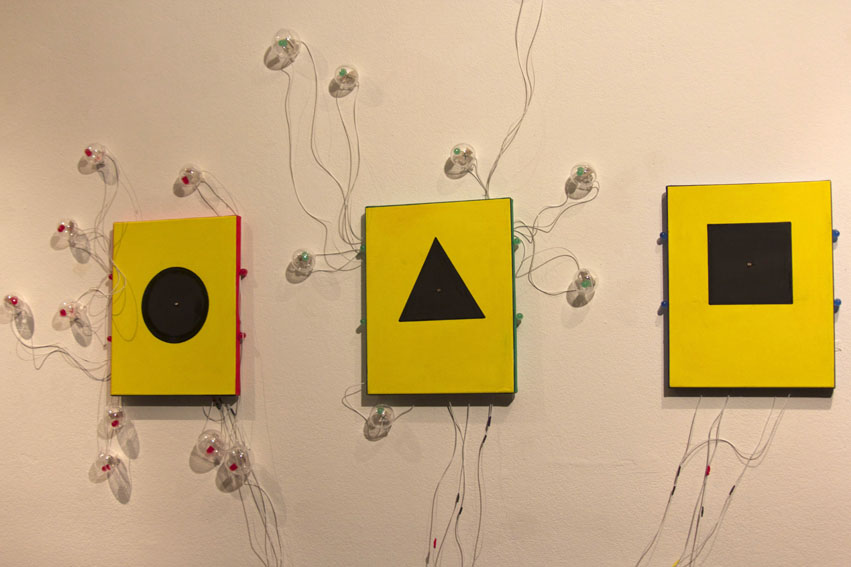
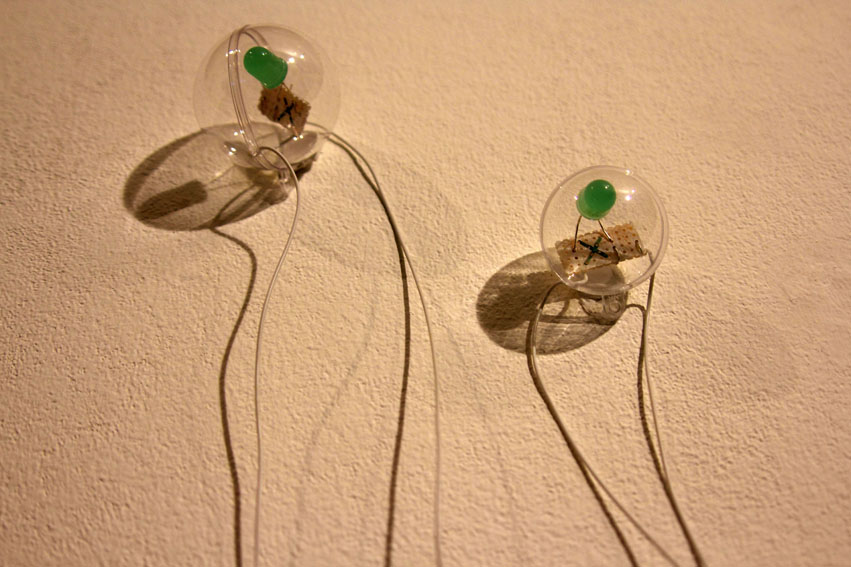
”I am not Yoko Ono” on the group exhibition ‘Metaphors’ at nomadenetappe – Kunst und Theorie Untere Donaulände 4020 Linz, 2013
“It is the most common way of trying to cope with novelty: by means of metaphors and analogies we try to link the new to the old, the novel to the familiar. Under sufficiently slow and gradual change, it works reasonably well; in the case of a sharp discontinuity, however, the method breaks down: though we may glorify it with the name “common sense”, our past experience is no longer relevant, the analogies become too shallow, and the metaphors become more misleading than illuminating. This is the situation that is characteristic for the “radical” novelty.”
—E.W. Dijkstra, On the cruelty of really teaching computer science
It is often explained in Computer Science and Interface Design that a good method for introducing new technologies is through the use of metaphors. Our text processors look like sophisticated but cold virtual typing machines; our computer desktops are organized in folders and subfolders with tabs; music production suites copy literally the physical image of classical synthesizers, etc. Our computers and programs are usually conceived with the objective to mimic our “real world”.
Artists: Alberto Boem, Davide Bevilacqua, Alessio Chierico, Cesar Escudero, Chiara Esposito, Isidora Ficovic, Jorge Gálvez, Đejmi Had, Mihaela Kavdanska, Oliver Kellow, Veronica Krenn, Sopon Kulkijja, Maruska Polakova.
Organized by nomadenetappe (nomadenetappe.net) and Art Academie Linz Interface Cultures Faculty
Curator: Enrique Tomás
..Then we have the little work here by Isidora Ficovic that is little, but is very subtle ‘I am not Yoko Ono’. So it’s like kind of viewest invite the sign she or he wants to activate the art work, but if the work gets activated then is destroyed. So it’s like kind of re-composition, decomposition that could be activation of a moment, would actually come towards a decomposition of the art work – Claudia Mongini speech at the opening night of the exhibition ‘Metaphors’.
Sara Giannini text on “What is Contemporary?”, 2012
recent work – Book X

click here – Book X (2007 – 2012)