Category Archives: Works

2020 © Isidora Fićović and Daichi Misawa

back

2020: A RESTROOM CULTURALITY

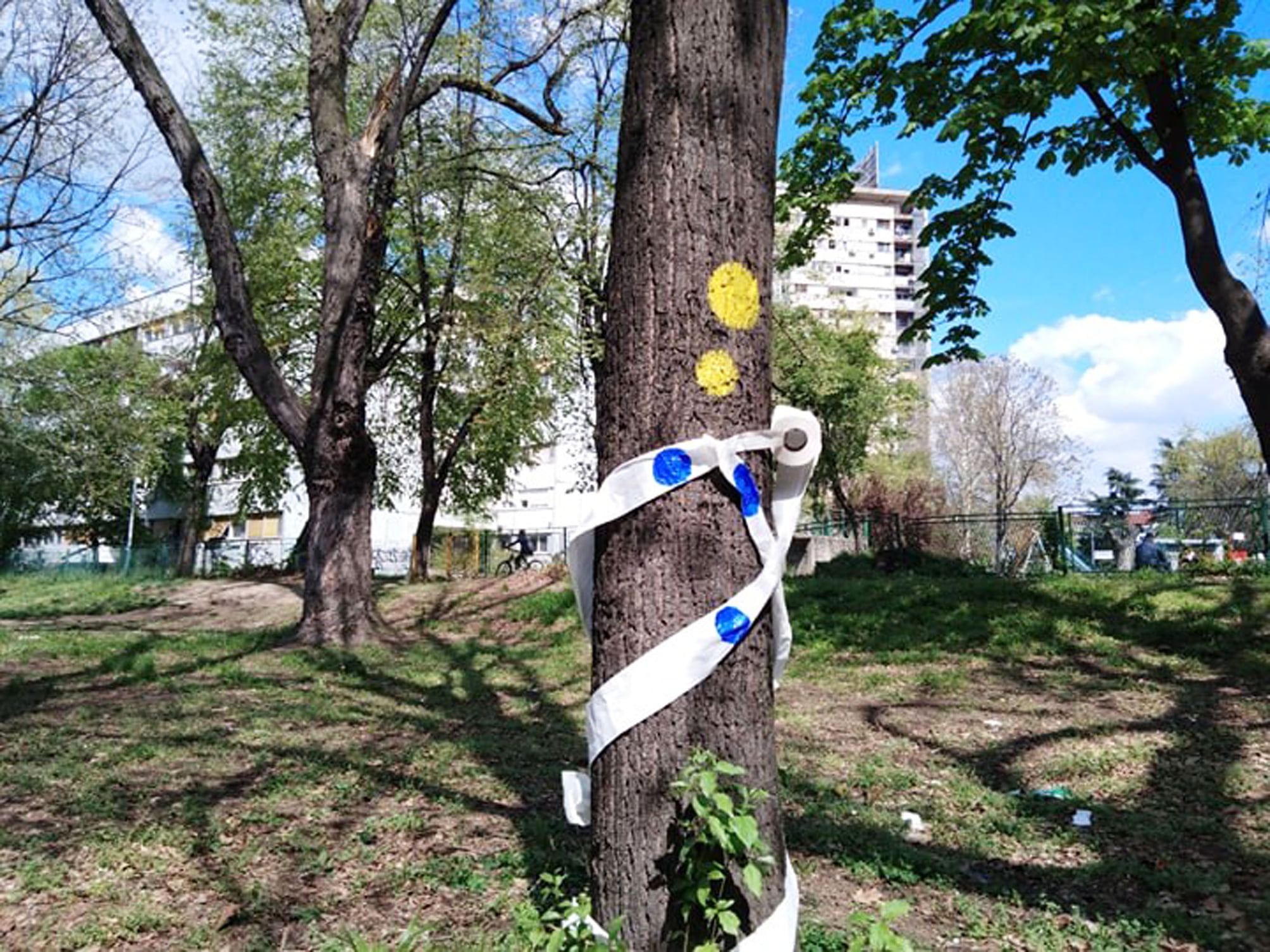
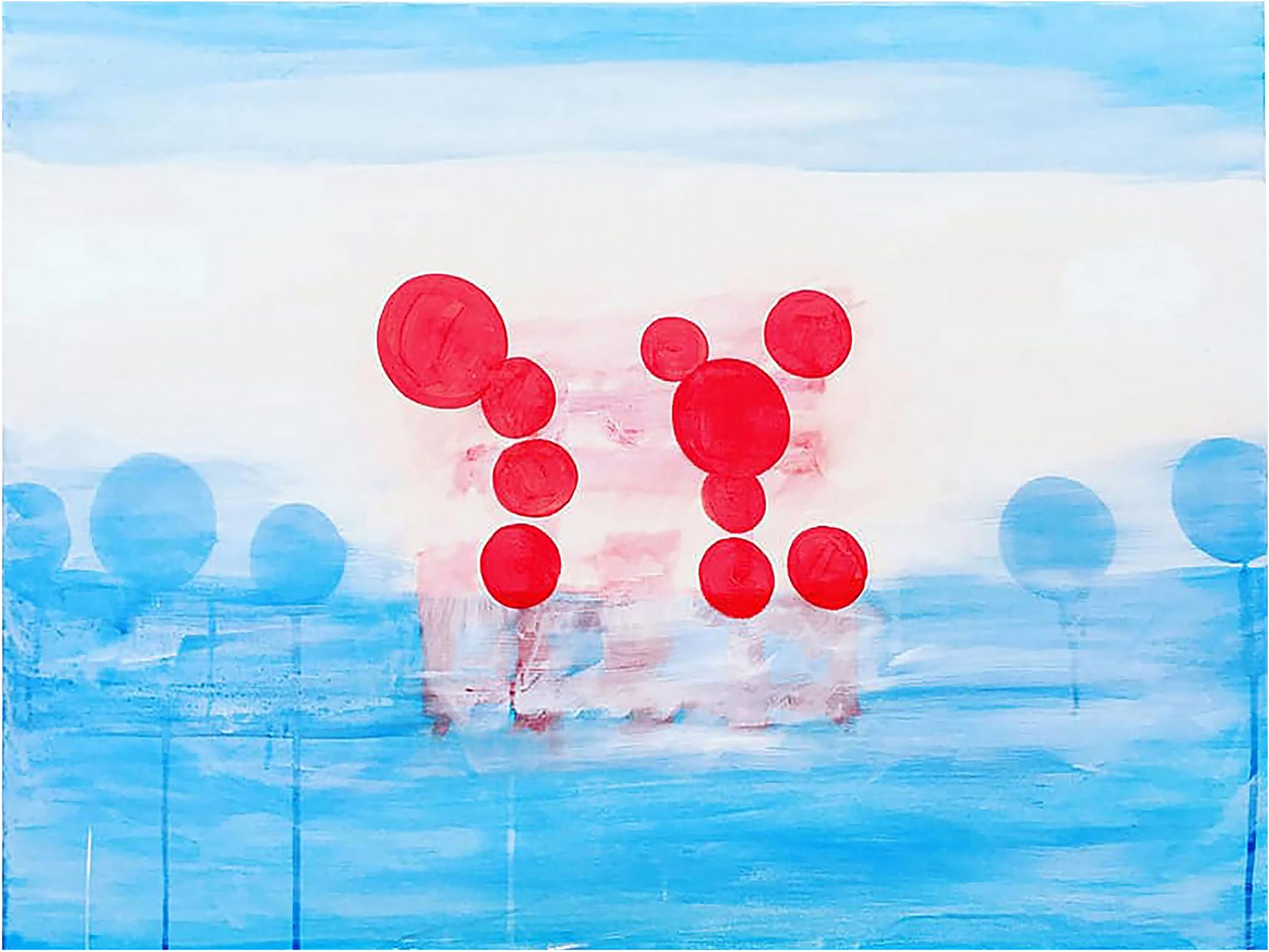
A restroom for visitors to reflect upon a cultural boundlessness, or culturality, of restrooms in the past, present and future, which comprises Gestural Rhythm of Dot recording a time dimension of a process of movements in painting, and a musical sound of circulator that may reflect the sound of present culturality in a place of installment. Material: toilet paper, painting or drawing materials (water color), environmental sound, real-time computer processing.

When technological impact on society takes its role, might be a time for artists to play their role. Art, to us, does not seem to be something that only tolerates a specific ‘beauty.’ Things that are ‘ugly’ might be actually where humanity is. To be specific, restrooms such as Japanese one—whoa, it’s a space of traditional hospitality, having within touch sensors for flash, toilet seat heats, incredible softness of toilet paper, even a sound of nature—are considered here to be a site for carrying out another artistic investigation.

Concept of the artwork generally relates to an idea of presenting a design of restroom as a demonstration of restroom culturality. Based on said concept, the artwork comprises: 1) ‘Gestural Rhythm of Dot’ recording a time dimension of a process of movements in painting, of yellow color symbolizing suns’ movement and of blue color rivers’; and 2) a musical sound of circulator that is synthesized with environmental sound reflecting the sound of present culturality in the place of installation. As a result, the artwork presents another view on restroom design, and also we hope it gives us a chance to reflect upon or test the notion, movement and music concerning restroom in the past, present and future, a moment of relief contemplating the boundlessness of the resting place.

2020 © Isidora Fićović and Daichi Misawa

back

Text by Erkin Duman for I am in a New Now

back

Za Isidoru,
Povodom njene najnovije izložbe u Novom Sadu.

Da li je to borba ili pakt između mašina i čovečanstva? Dok sanjamo o budućnosti, da li budućnost sanja i o nama? Da li se mašine pretvaraju u nas ili smo mi ti koji se pretvaramo u robota?
Ponekad se „osećam“ kao da sam u simulaciji. Kada se probudim, osećam da je počela nova faza igre. Proveravam telefon gde zaranjam u drugi Svet. Veštački svet u kome su svi srećni, bogati, savršeni i glamurozni. Što više gubimo u stvarnom svetu, više dobijamo u sajber svetu. Sve dok napuštamo naš fizički Svet gladni, vaša ličnost (persona) se hrani. Isključujemo svoja osećanja čim isključimo mobilne telefone. Kada ste poslednji put zaista komunicirali sa spoljnim svetom? Slušali ste cvrkut ptica, gledali plavo nebo, a da to niste snimili? Kada ste poslednji put plesali kao da vas niko ne gleda?
Jednom sam pročitao o „kvantnom Zeno efektu“, koji opisuje situaciju da se nestabilna čestica, ako se posmatra kontinuirano, nikada neće raspasti. Može se protumačiti kao „sistem se ne može promeniti dok ga posmatrate/gledate“. Dakle, zar i mi ne možemo da se promenimo pod nadzorom?
Danas mašine mogu da urade mnoge stvari od prevođenja do pisanja sadržaja. Čak i one mogu da flertuju sa vama. Ali, da li one sanjaju o vama? Koliko im je gigaherca otkucaja srca potrebno da bi te volele? Da li će vaša srca biti usklađena na istoj frekvenciji dok zajedno gledate zalazak sunca?
A šta je sa etikom?

Erkin Duman iz Turske

For Isidora,
Upon her exhibition in Novi Sad.

Is it a fight or a pact between machines and humanity? While we are dreaming about the future, does the future dream about us too? Are the macchines turning into us or we are the ones who are turning into robot?
I “feel” like I am in a simulation sometimes. When I wake up, it feels like a new stage of the game has started. I check my phone where I dive into another World. An artificial World where everyone is happy, rich, perfect and glamorous. The more we lose in real World ,the more we gain in cyber World. As long as we leave our pyshical World hungry, our persona is being fed. We turn off our feelings as soon as we turn our mobile phones off. When was the last time you really interact with the World outside? Listened to the birds’ chirping, watched a blue sky without recording it? What was the last time that you danced like noone is watching?
Once, I read about “Quantum Zeno Effect”, which describes the situation that an unstable particle, if observed continuously, will never decay. It can be interpreted as “ a system can not change while you are observing/watching it.” So, are we also can not change under the surveillance?
Today, machines can do many things from translation to content wrtiing. Even they can flirt with you. But, do they dream about you? How many gigahertz heartbeat is needed them to love you? Will your hearts be aligned in the same frequency while watching the sunset together?
And what about ethics?

Erkin Duman from Türkiye

back

Gestures of Body Movement


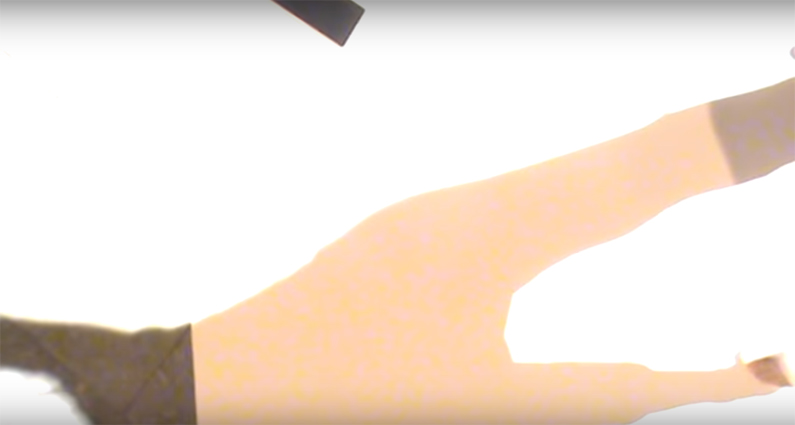
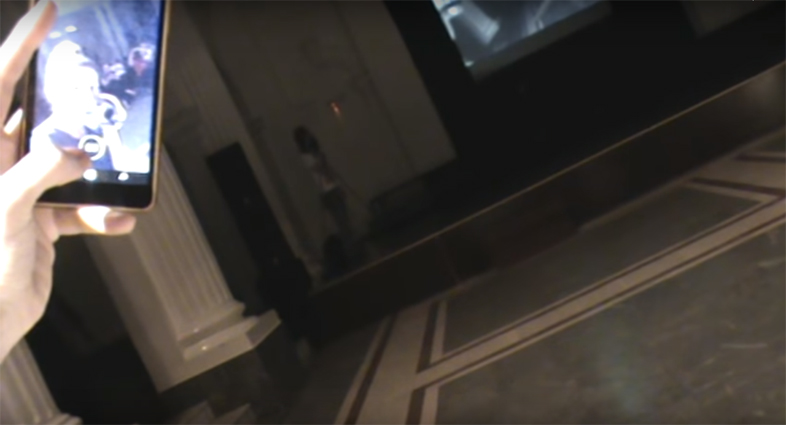
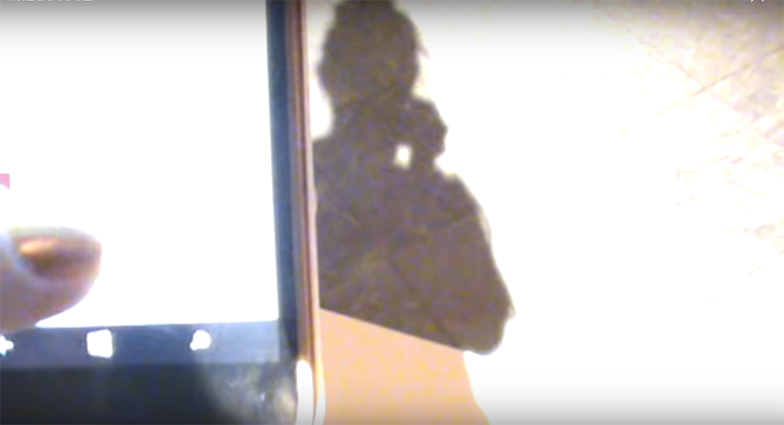
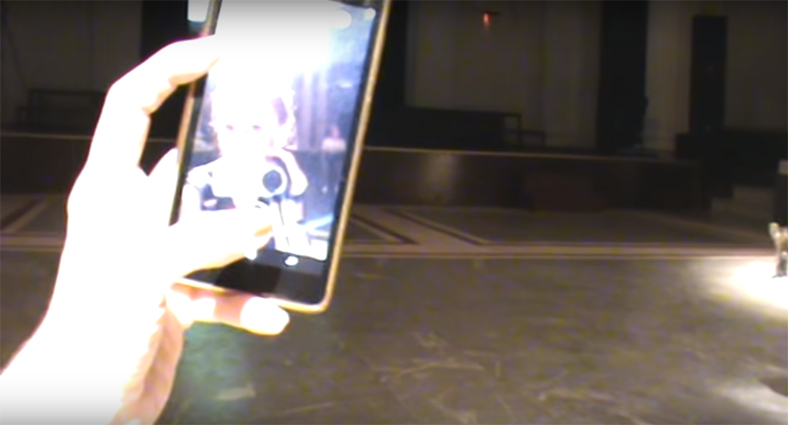
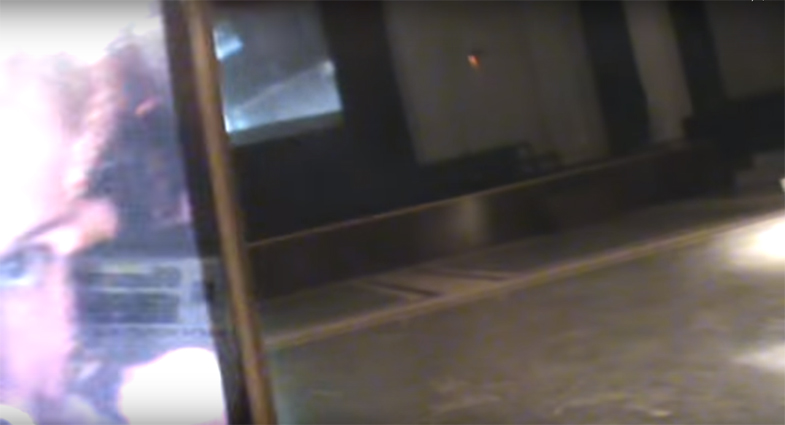
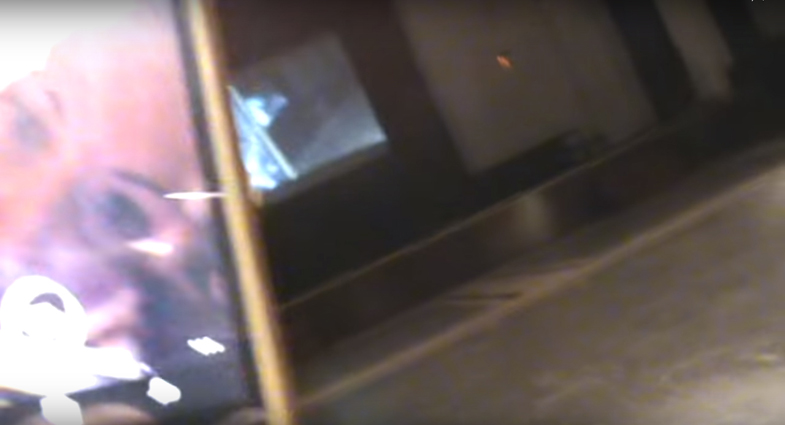
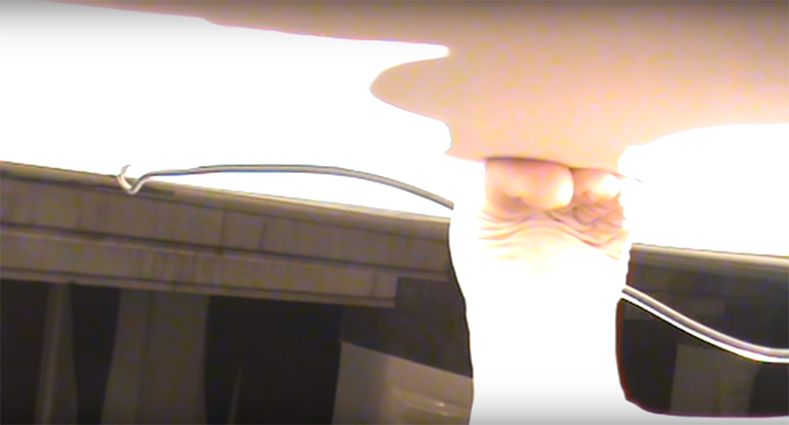
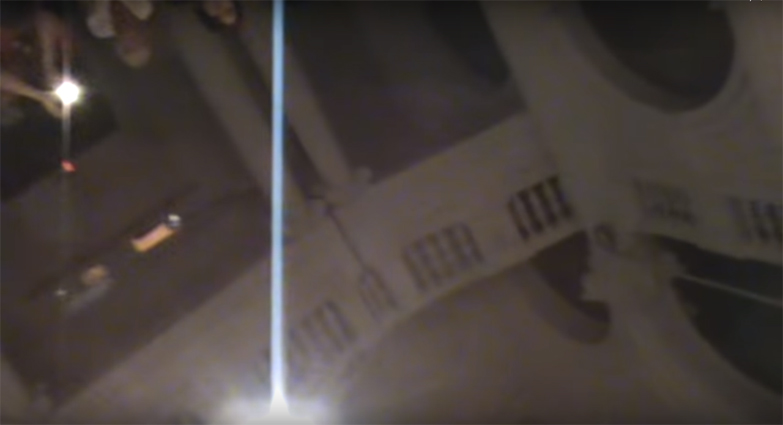
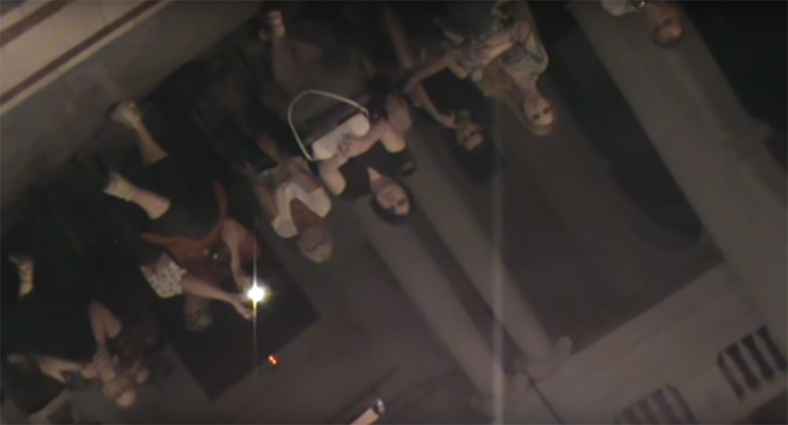
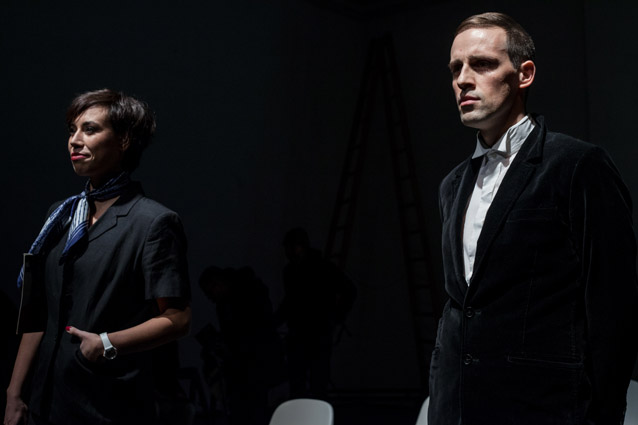
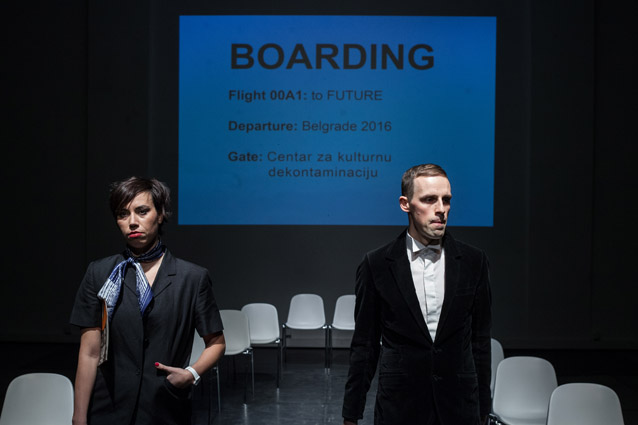
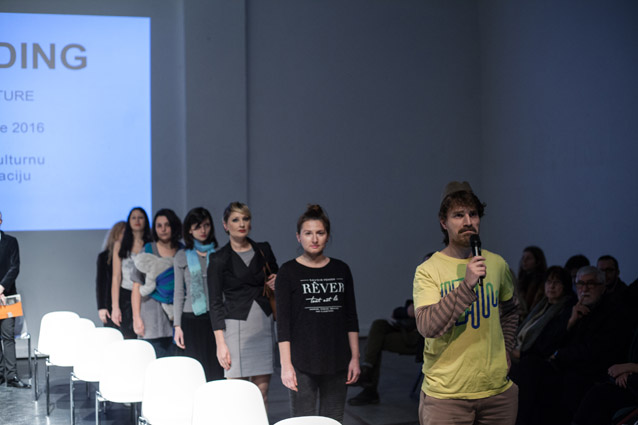
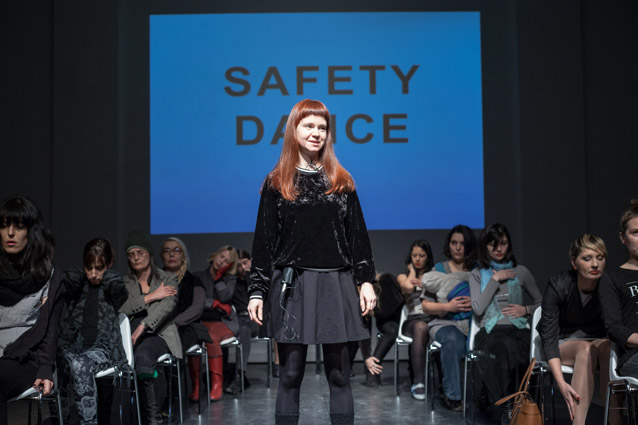
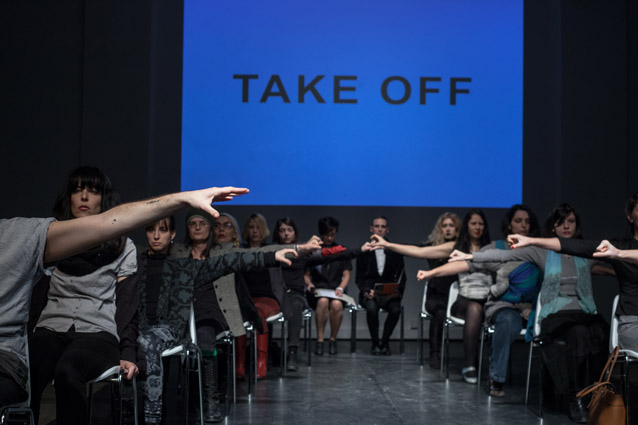
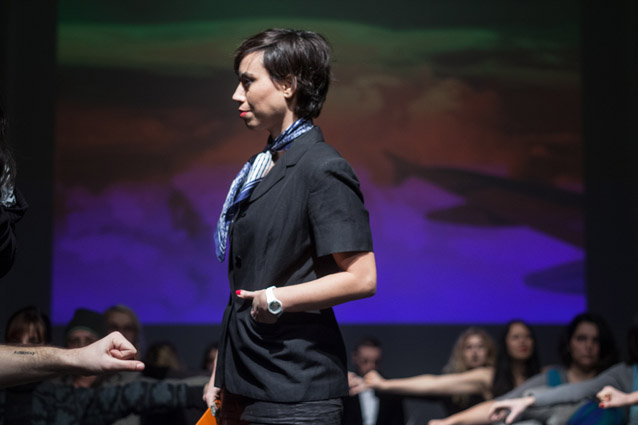
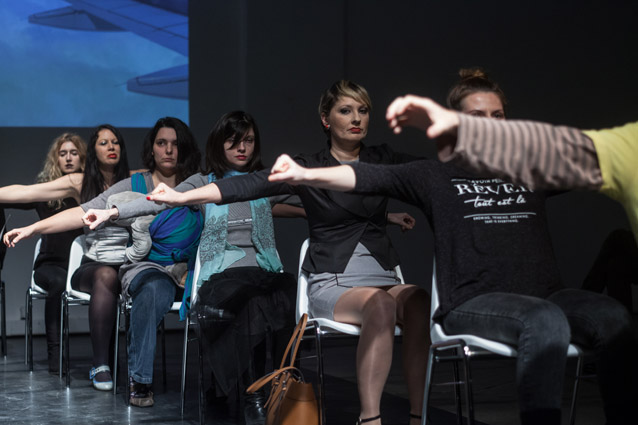
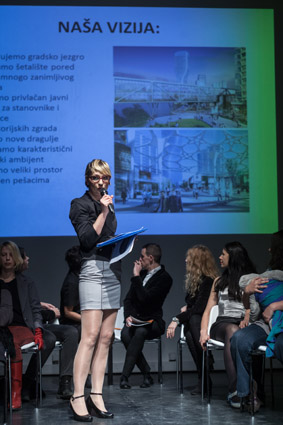
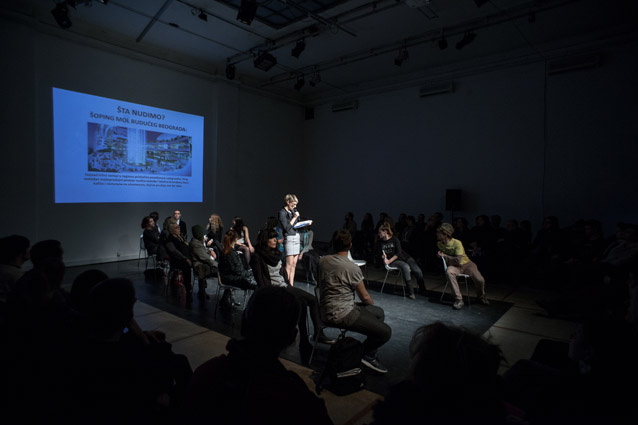
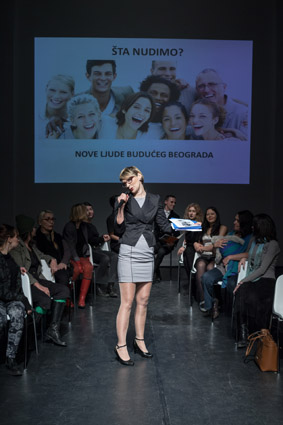
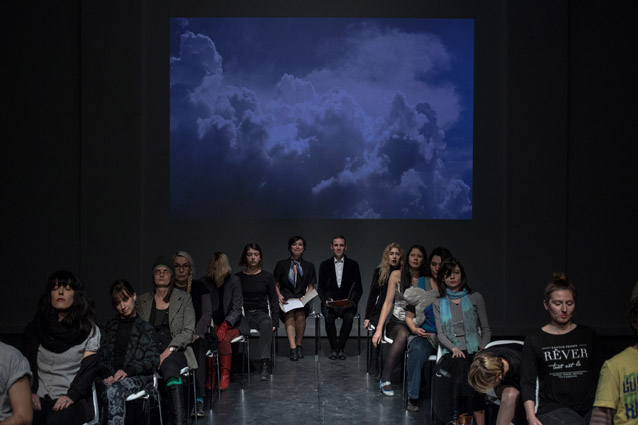
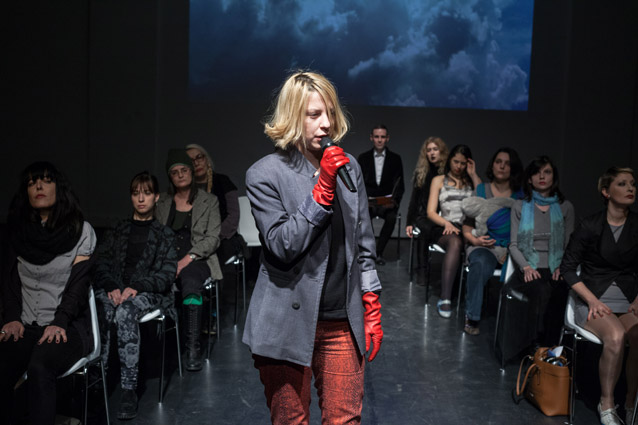
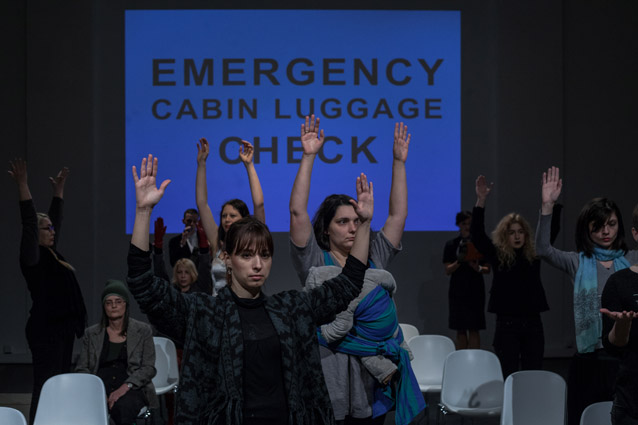
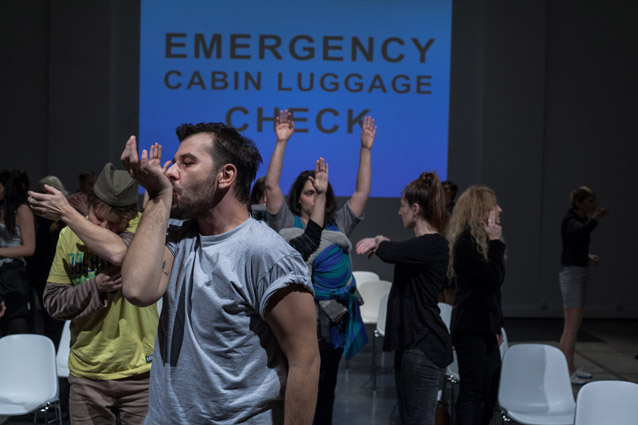
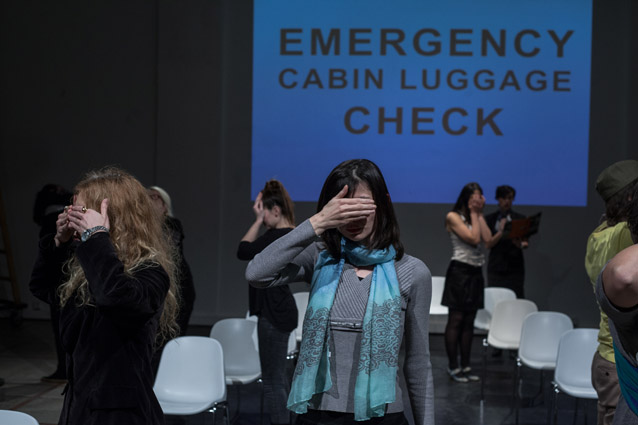
Gestures of Body Movement is the video work in the form of an experimental doc.  Portable digital video-camera is attached to the body. The body is moving in space demonstrating the proprioception gesture, a hand gesture is synchronized with every other part of the body. The mind is aware of the position of each part in the space and the movement is recorded with the digital video camera that is attached to the hand (cables are attached to the hand, the back and leg, plugged to electricity).  The movements, gestures of body parts in space, are instantly digitalized by the video camera that is attached to the body and therefore a digital image is an integral part of the movement itself.  The frames are reflecting those gestures as up side down or vertigo scenes in the video. It represents the experimental intention of changing the perspective, perceiving the other angle on the environmental surroundings, the architecture of the space or people sitting at the audience in the hole room. It is all real time recorded and instantly projected on the screen. Therefore the audience can see the inverse picture, inverse moving digital image, of themselves. A playful manner, multiple pictures of reality with new media, the video camera, mobile phone and projection screen.  The mobile phone is placed on the ground and it has a significant role in the video. In few scenes, a hand gesture is taking the mobile phone and activating the Selfie mode on a mobile phone, while video camera that is attached to the other hand is reflected in the mobile phone (in a mirror) and recorded as the Selfie image. Those Selfie images are another layer of digital images that are projected on the main screen in the center of the main hole-room of the SKC (Student Cultural Center Belgrade). 

The works signify playfulness of movement, inverse perspective, changing of perception, overlapping the movement as proprioception gesture with digital real time capturing, overlapping the analog and digital reality. If you look at Vertigo effect, acknowledge by Roger Caillois[1] it’s one of the four play forms for understanding the complexity of games. Vertigo or Illinx by Caillois could be understood in the sense of altering perception, example children are spinning around themselves until they fall down.  In the case of this video-work spinning is accomplished by a proprioception gesture demonstrating Chi-gong movements, again to underline all is being recorded and projected in real time as a digitalized reality. How Vertigo as a notion of the real in the video – work is related to the notion of Envy?  Envy/Vertigo relation highlights human and new technology development relation. Contemporary life is overwhelmed with use of mobile phones,  social media (Facebook, Instagram) humans are stimulated to constantly produce thousands of digital images of themselves and their private life, being self-oriented narcissistically captured into the digital. That narcissistic nature of use of the digital image on mobile-phone or social media is often related to an envy emotion inside of the social network interaction. Selfie images are the culmination of self-oriented ego centered function of the digital image and how to use it in a different way for communication and understanding the other. Vertigo has that impact to alter these assumptions and highlights the new technology advantage towards ”new horizons”[2], where analog/digital overlapping is used for creative expression.

[1]  Roger Caillois – The French Sociologist who wrote the book “Man, Play and Game” in 1961  (French Les jeux et les hommes, 1958), on the sociology of play and game.

[2] “Art provides a new perspective that turns our eyes to new horizons” says Hiroshi Ishii (from the talk at POST CITY, Ars Electronica festival 2015). “Many people are swept up in the technology and do not understand the importance of the physicality. What I’m trying to do is take advantage of computation but not give up the beauty of the physical world. Techies want only to know how something works. But a great sensitivity is missing. Aesthetics is also very important.” says Hiroshi Ishii. (from http://spectrum.mit.edu/fall-2004/tangible-technology/)

//

Isidora Ficovic has been invited by the artist Snezana Arnautovic to participate in the interactive performance with her as part of the serial of Snezana’s performances at the BELEF festival 2017 in SKC Belgrade. During the interaction, Isidora produced the video work as the real time result of mind-body gesturing in both, physical and digital space, highlighting the human relation to a new technology.

back

NULA/ZERO


Nula
Analogna interaktivna instalacija
Kaligrafija, mobilni telefon, lupe, kompas
U10 galerija, Beograd 2017

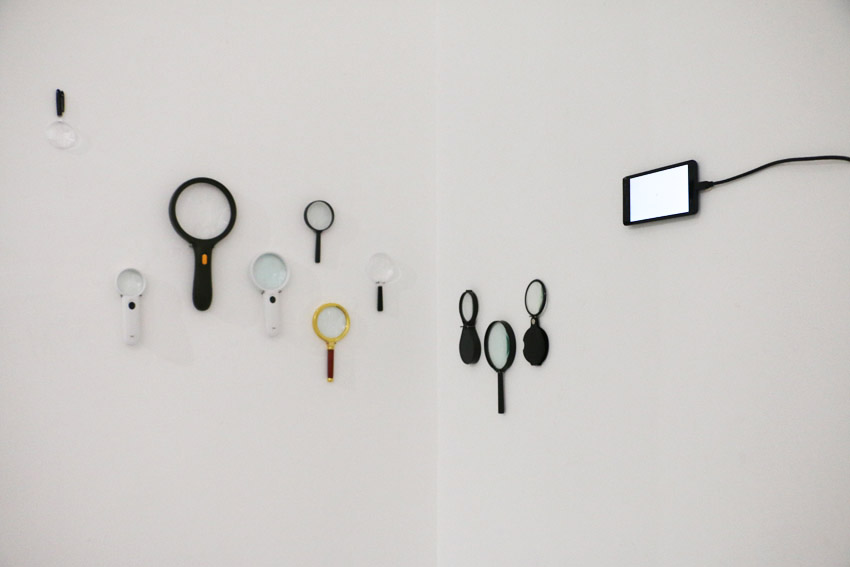
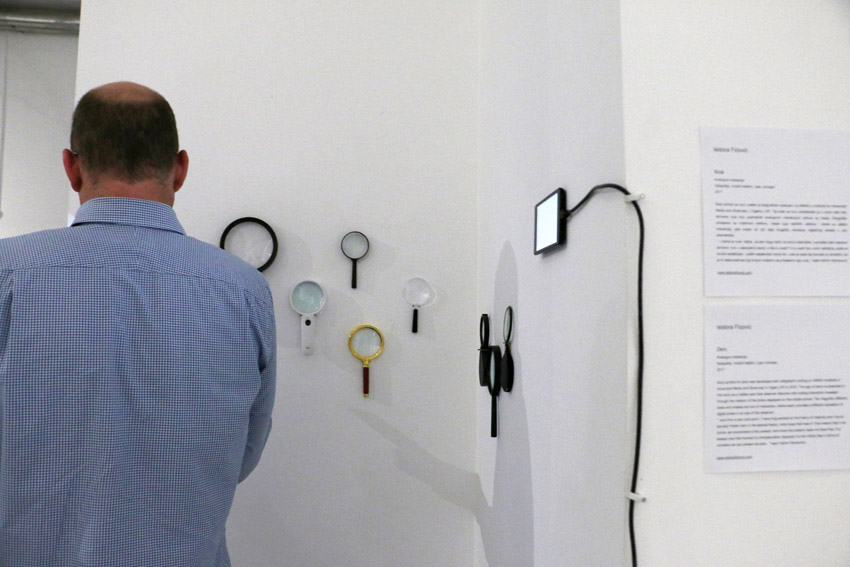
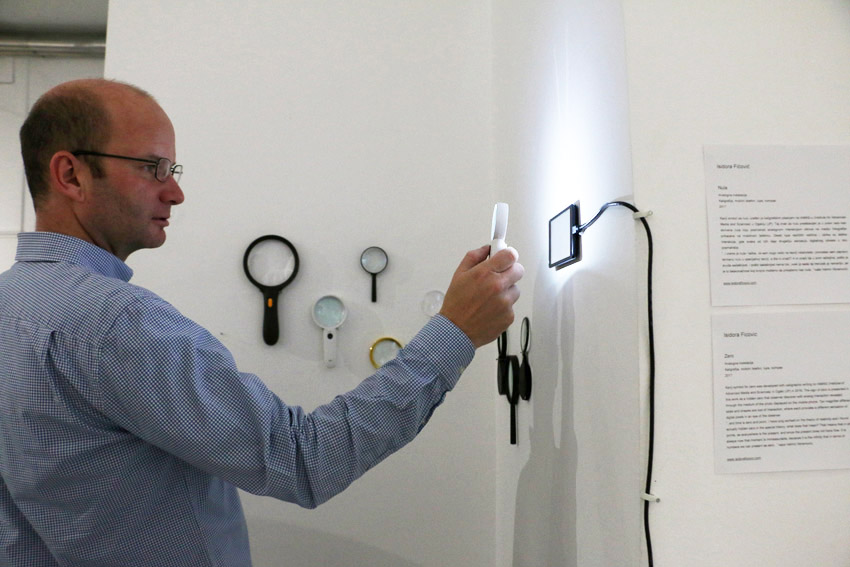
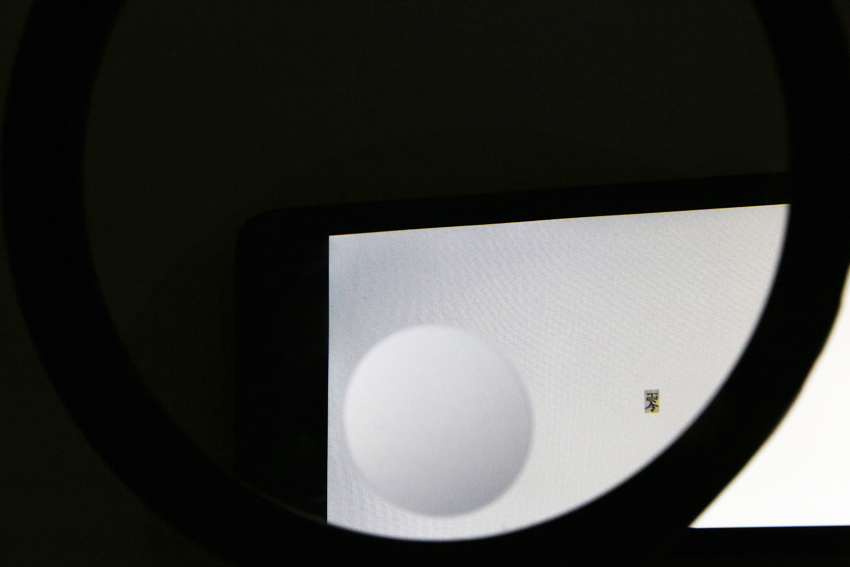
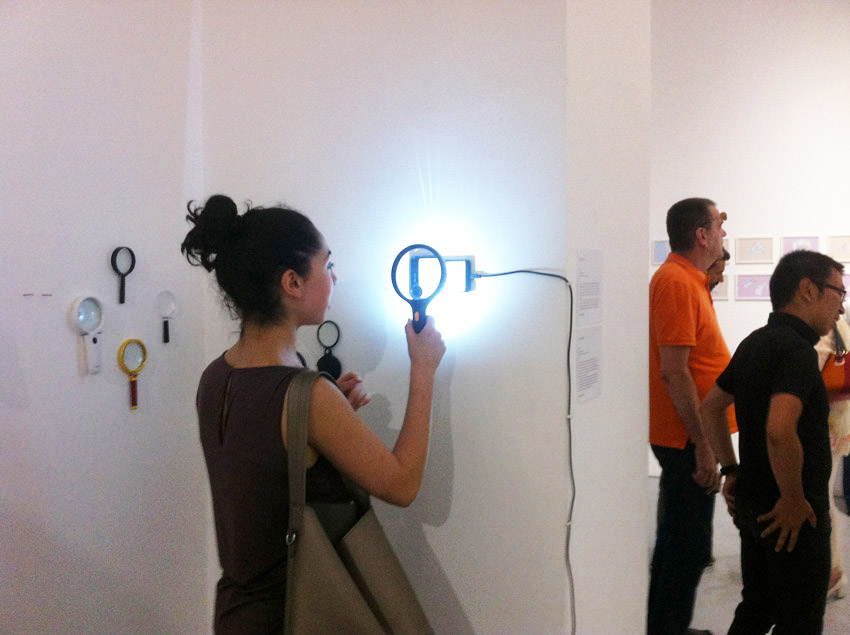
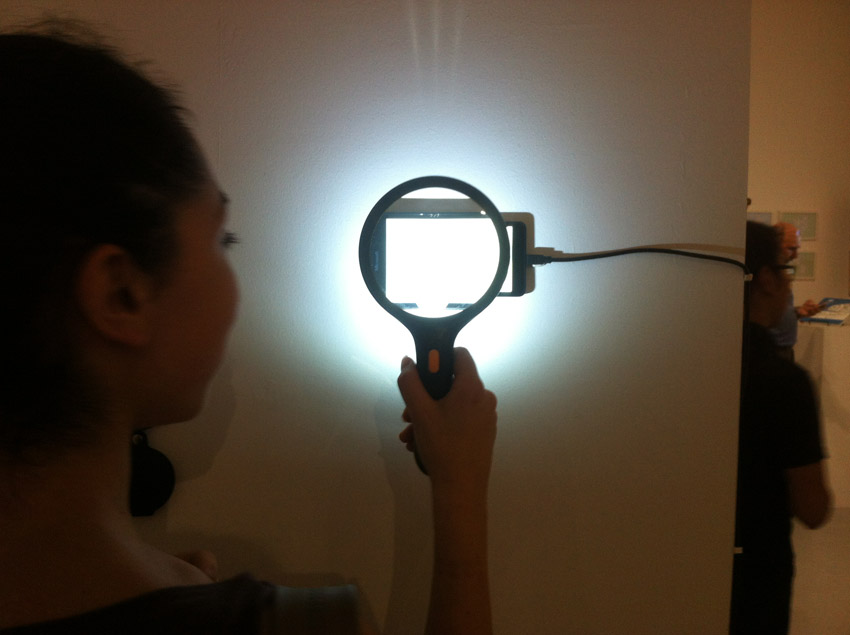
Kanji simbol za nulu urađen je kaligrafskim pisanjem na IAMAS-u (Institute for Advanced Media Arts and Sciences) u Ogakiju (JP) 2016-te. Taj znak za nulu predstavljen je u ovom radu kao skrivena nula koju posmatrač analognom interakcijom otkriva na mediju fotografije prikazane na mobilnom telefonu. Deset lupa različitih veličina i oblika su alatka interakcije, gde svaka od njih daje drugačiju senzaciju digitalnog piksela u oku posmatrača.
“..i vreme je nula i tačka. Ja sam dugo radio na teoriji relativiteta i pronašao sam zapravo skrivenu nulu u specijalnoj teoriji, a šta to znači? To znači da u svim tačkama, pošto je svuda sadašnjost, i pošto sadašnjost nema tok, uvek je sada, taj trenutak je nemerljiv, jer je to beskonačnost koja brojno može da se prikažeme kao nula..” kaže Velimir Abramović.

//////////

Zero
Analog interactive installation 
Calligraphy, mobile phone, magnifiers, compass
U10 Gallery, Belgrade 2017

Kanji symbol for zero was developed with calligraphic writing on IAMAS (Institute of Advanced Media Arts and Sciences) in Ogaki (JP) in 2016. The sign of zero is presented in this work as a hidden zero that observer discover with analog interaction revealed through the medium of the photo displayed on the mobile phone. Ten magnifier different sizes and shapes are the tool of interaction, where each provides a different sensation of digital pixels in an eye of the observer.
”..and time is zero and point. I have worked long on the theory of relativity and I found actually hidden zero in the special theory, what does that mean? That means that in all points, as everywhere is the present, and since the present does not have flow, it is always now, that moment is immeasurable because it is the infinity that in terms of numbers can be presented as zero.. ” says Velimir Abramovic.

back
Starbucks, Istanbul 2014

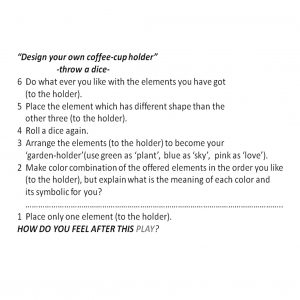
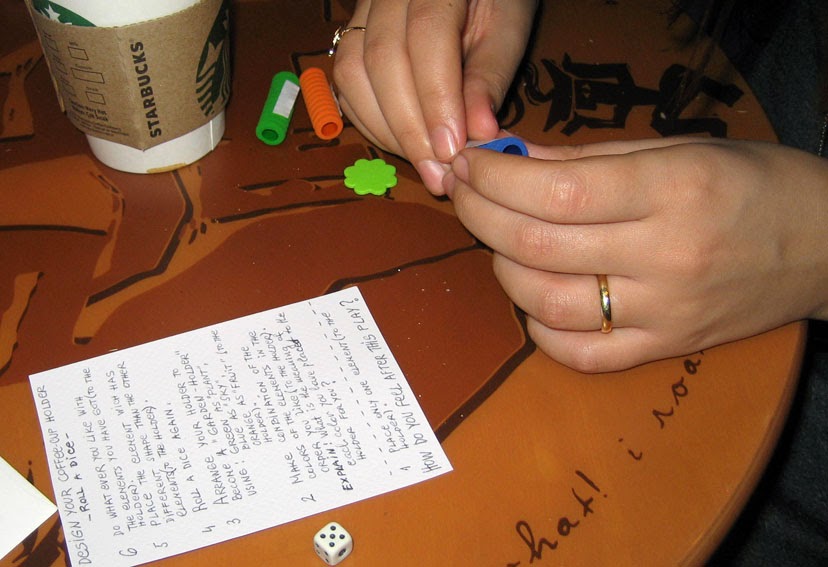
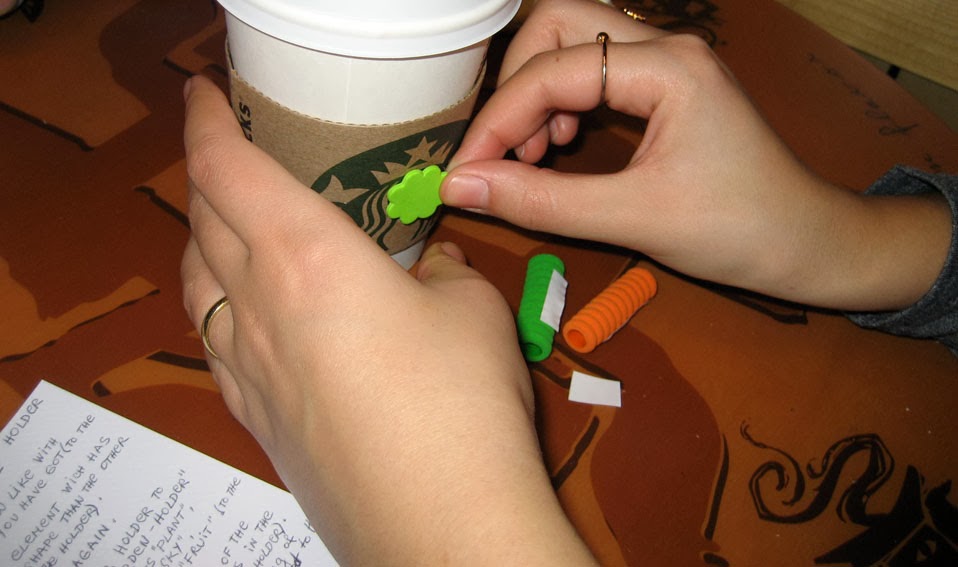
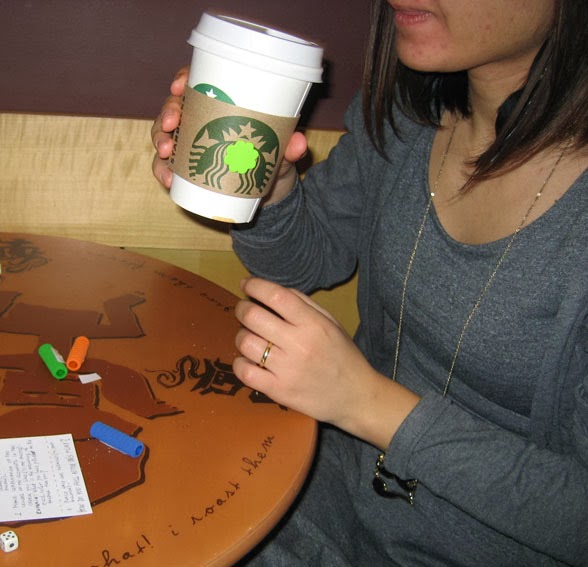
Design your own coffee cup holder

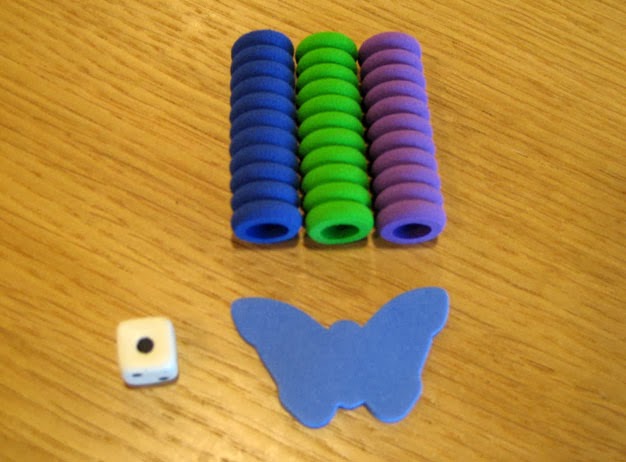
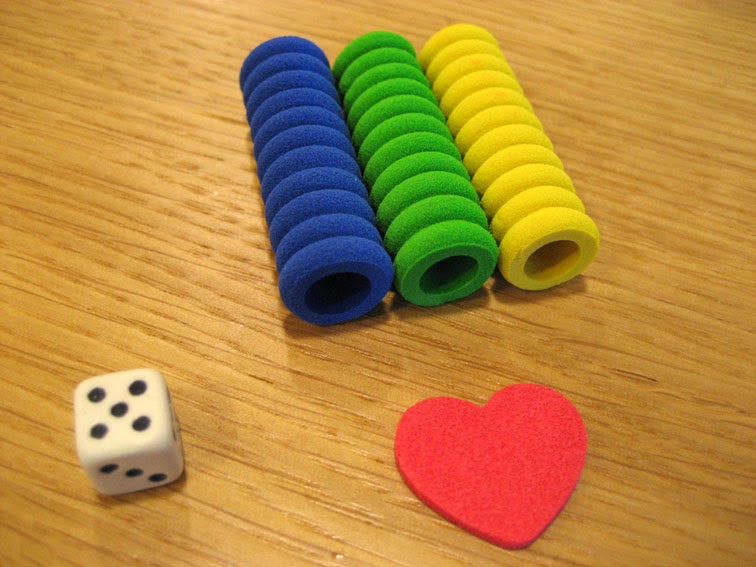
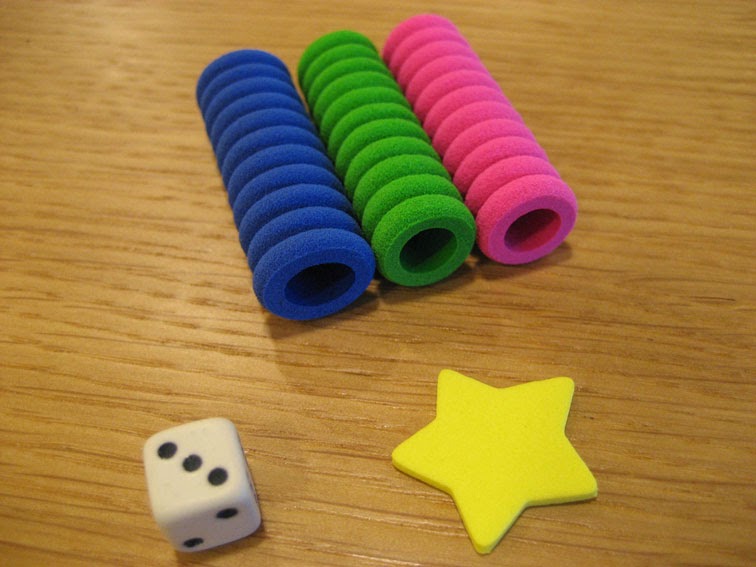
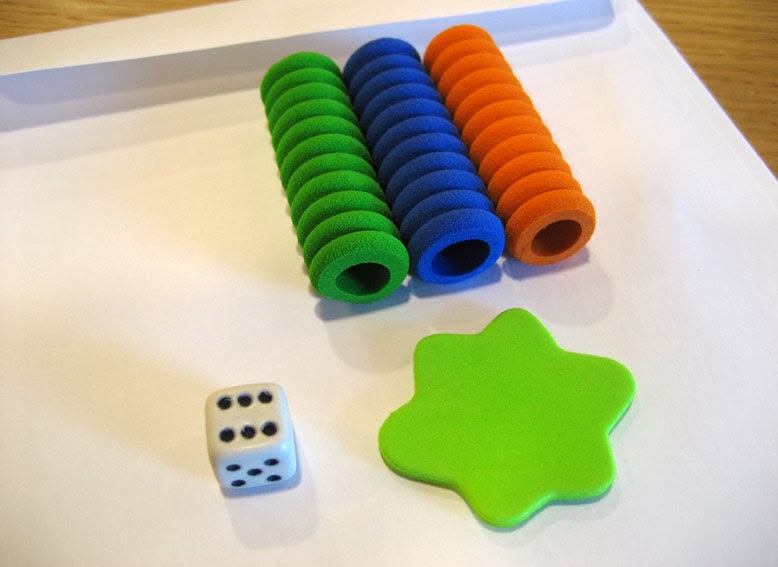
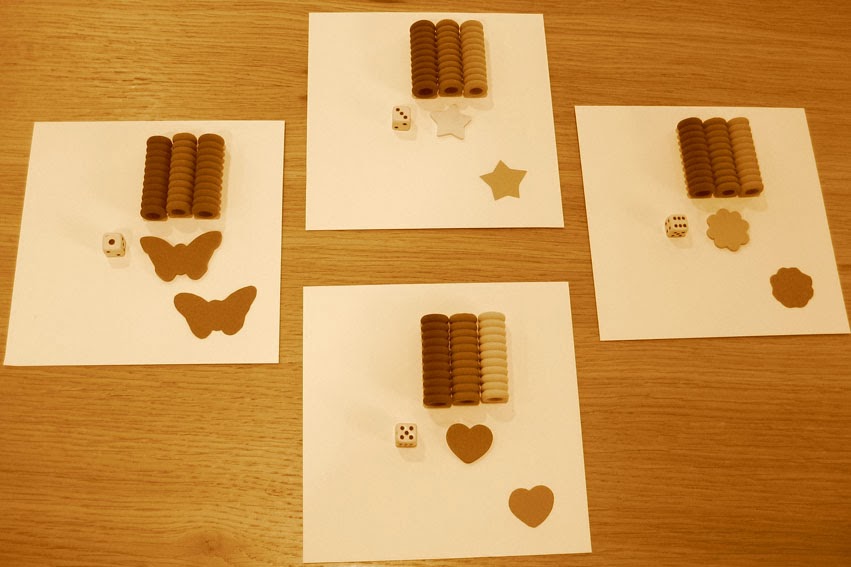
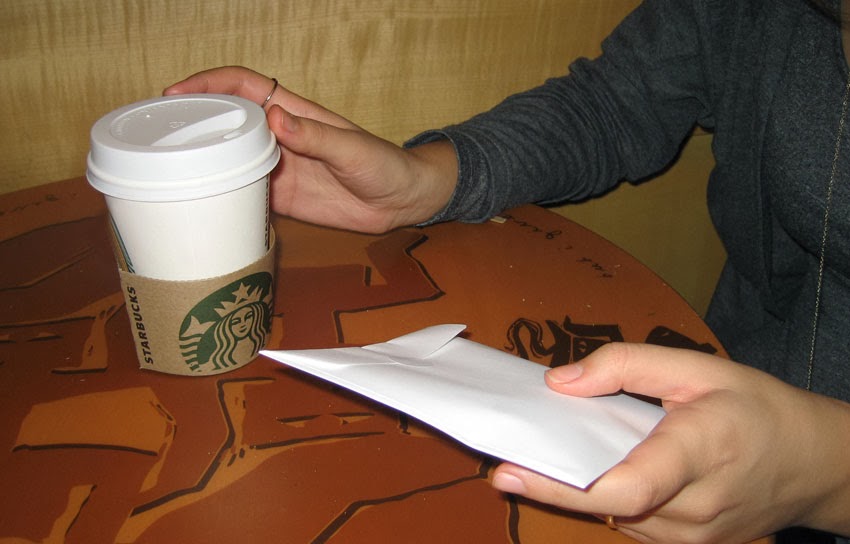
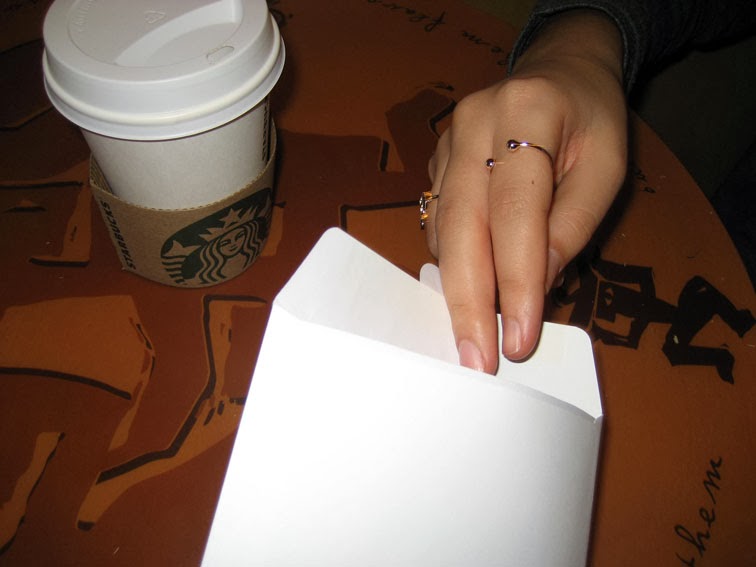
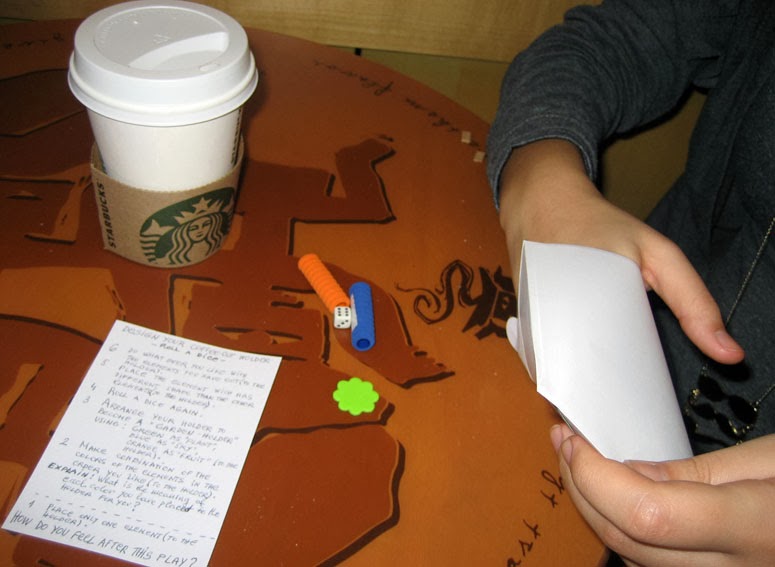
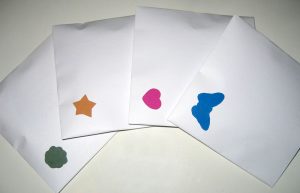
Inside of a Starbucks coffee on Istiklal street in Istanbul, when a customer opens the package envelope, it gets the instruction and elements for designing a coffee cup holder based on a game rule with a dice. The photo bellow illustrates the rules of a game with several offered options, depend on a number customer gets when throwing a dice. 

The product “Design your own coffee cup holder” is produced in the Personal Research course at Bilgi University, Visual Communication Department (VCD). In the process of designing the product, there were several phases (back and forth): 7. production 6. communication 5.definition – modeling  4. research – refinement 3. conceptualization 2. identification 1. inspiration  

back
RGB GEOMETRY, Belgrade

a touch gesture, interactive painting  


Mузеј науке и технике Београд


Исидора Фићовић
RGB геометрија
интерактивна слика
2015.
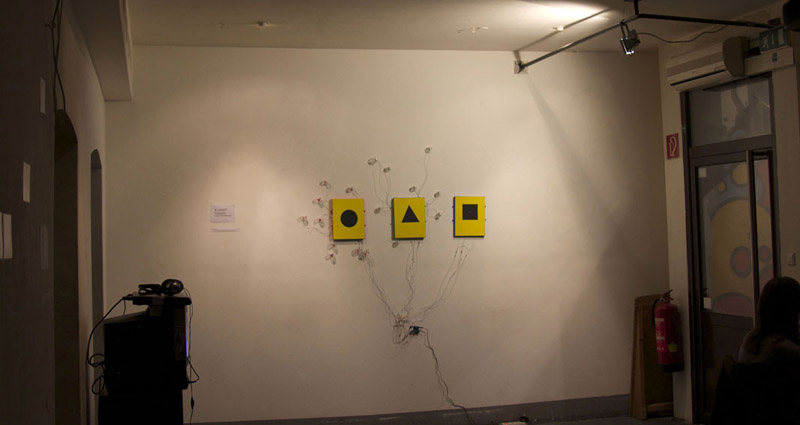
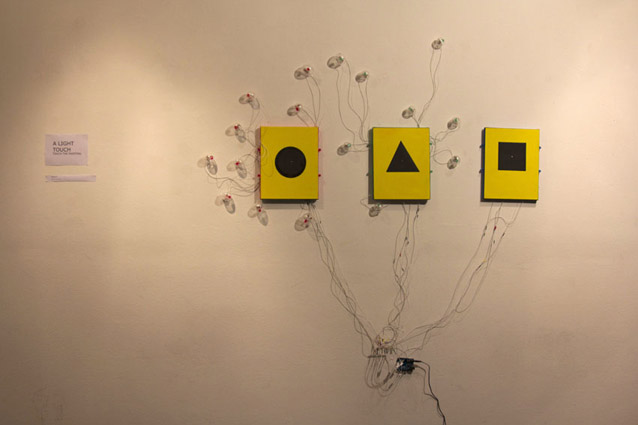
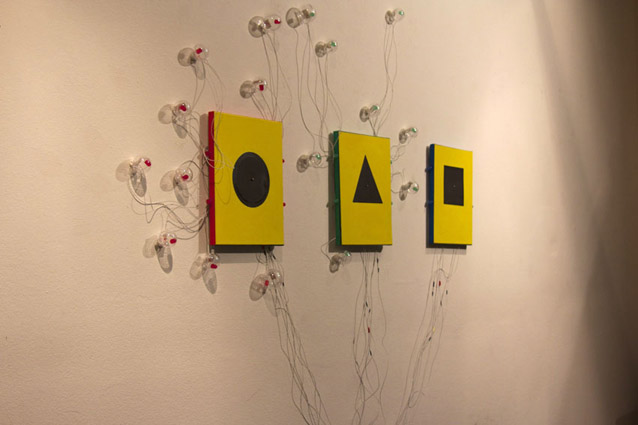
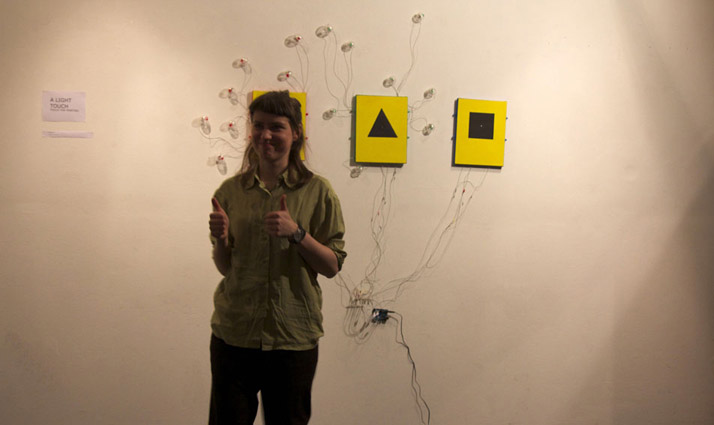
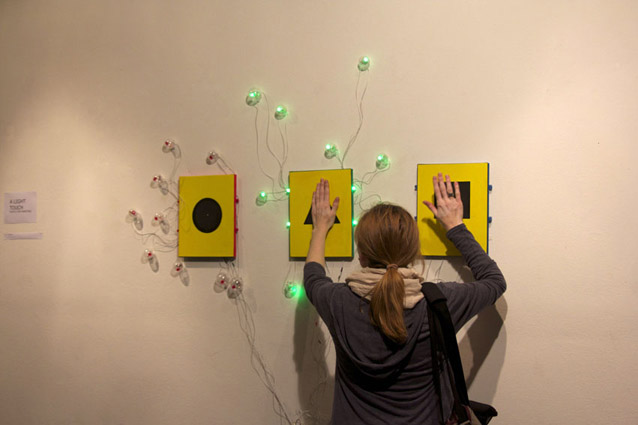
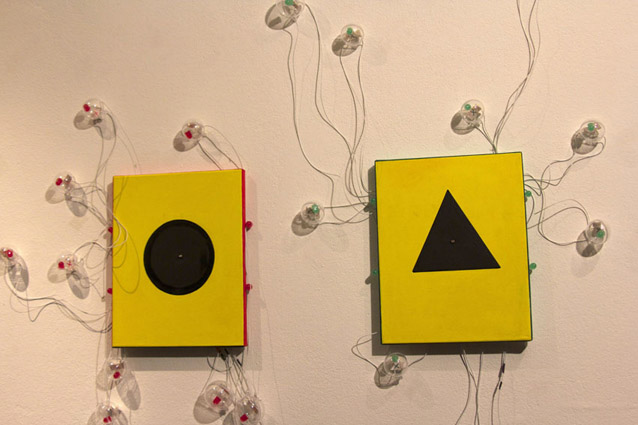
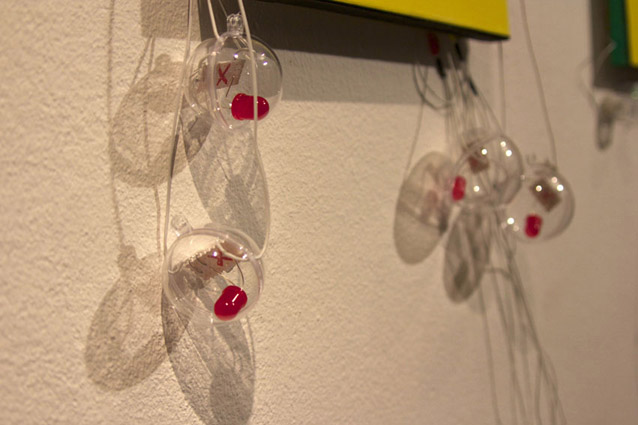
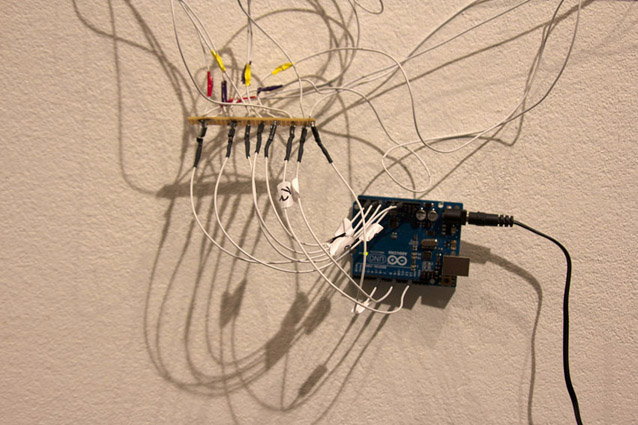
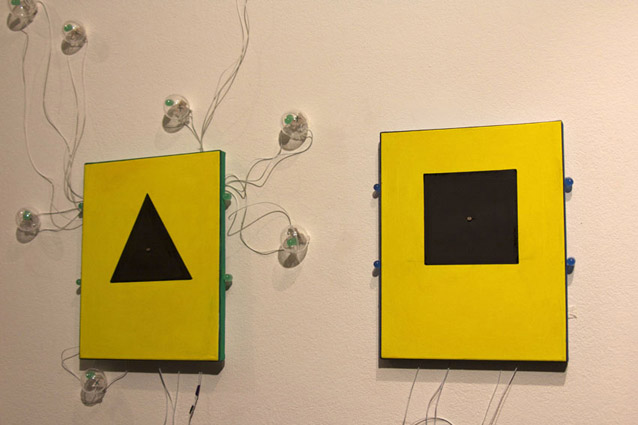
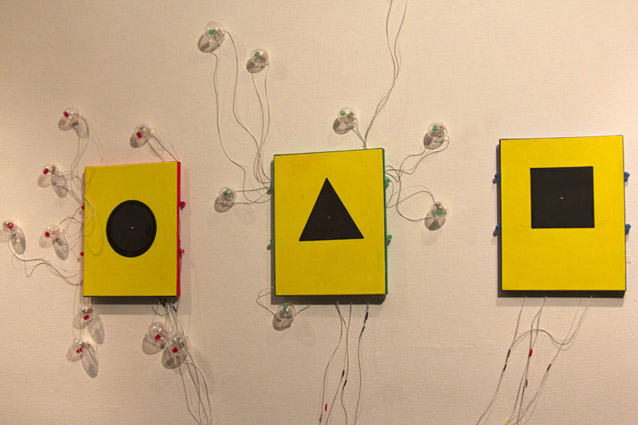
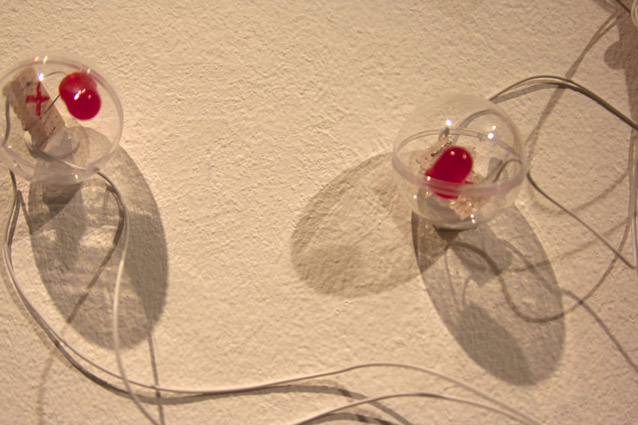
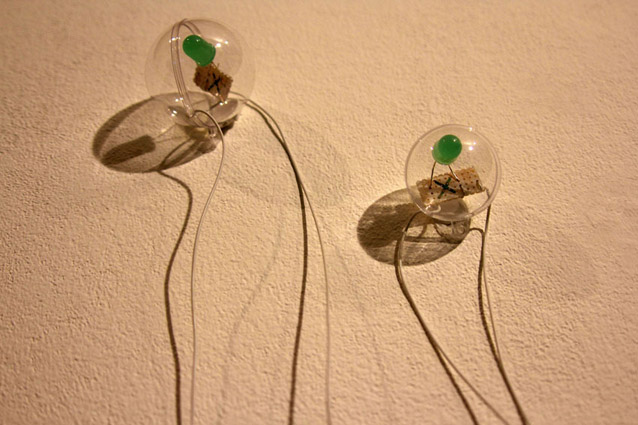
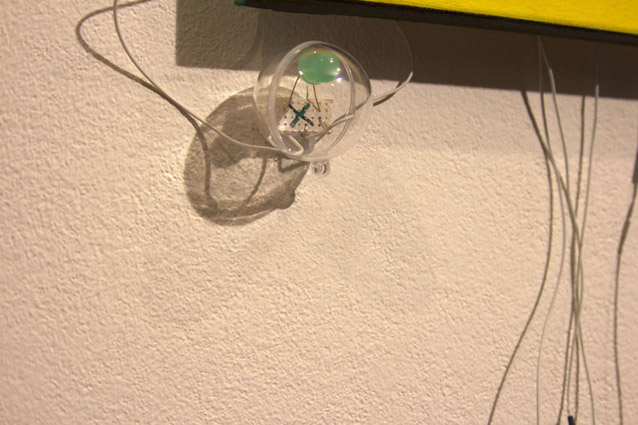
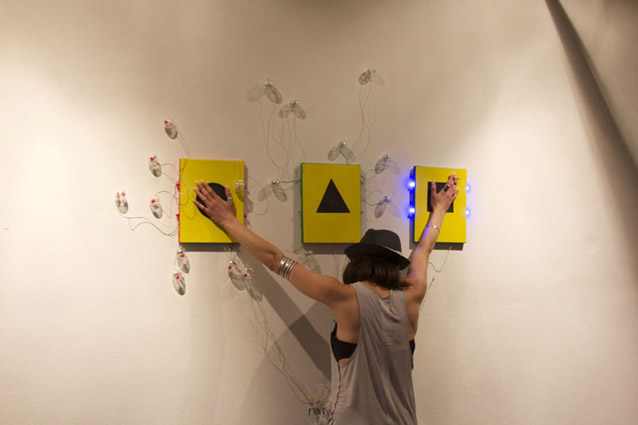
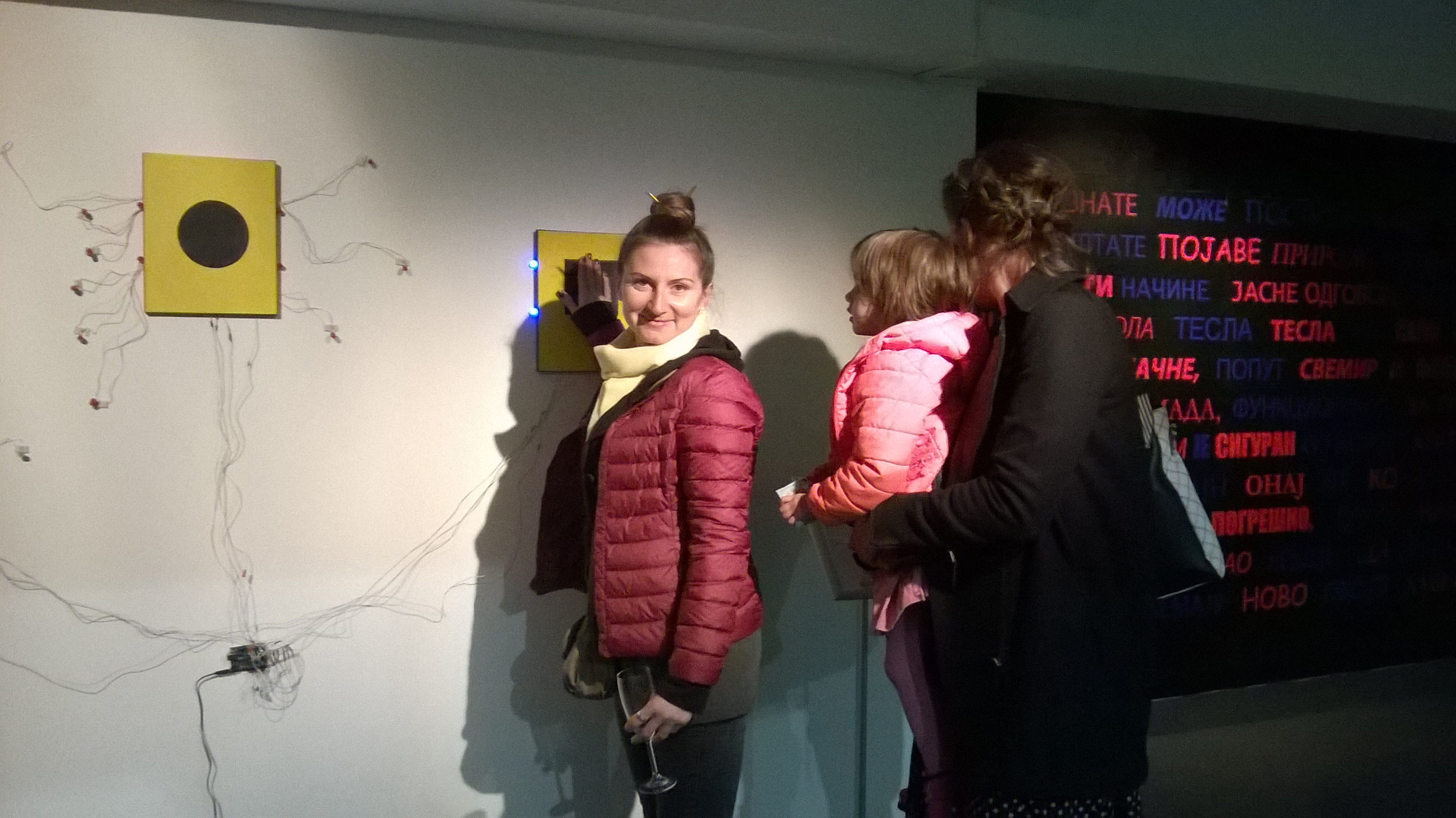
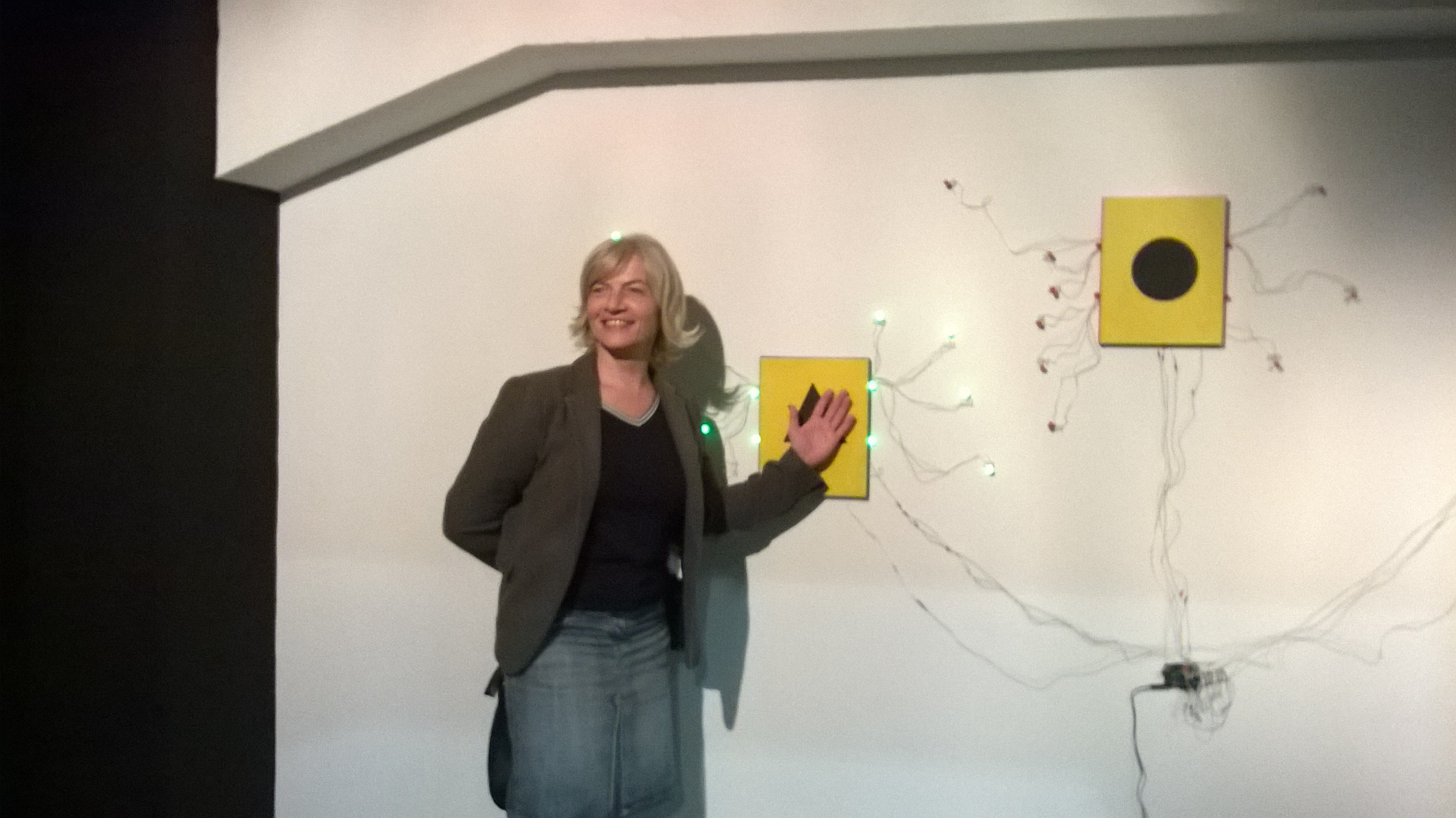
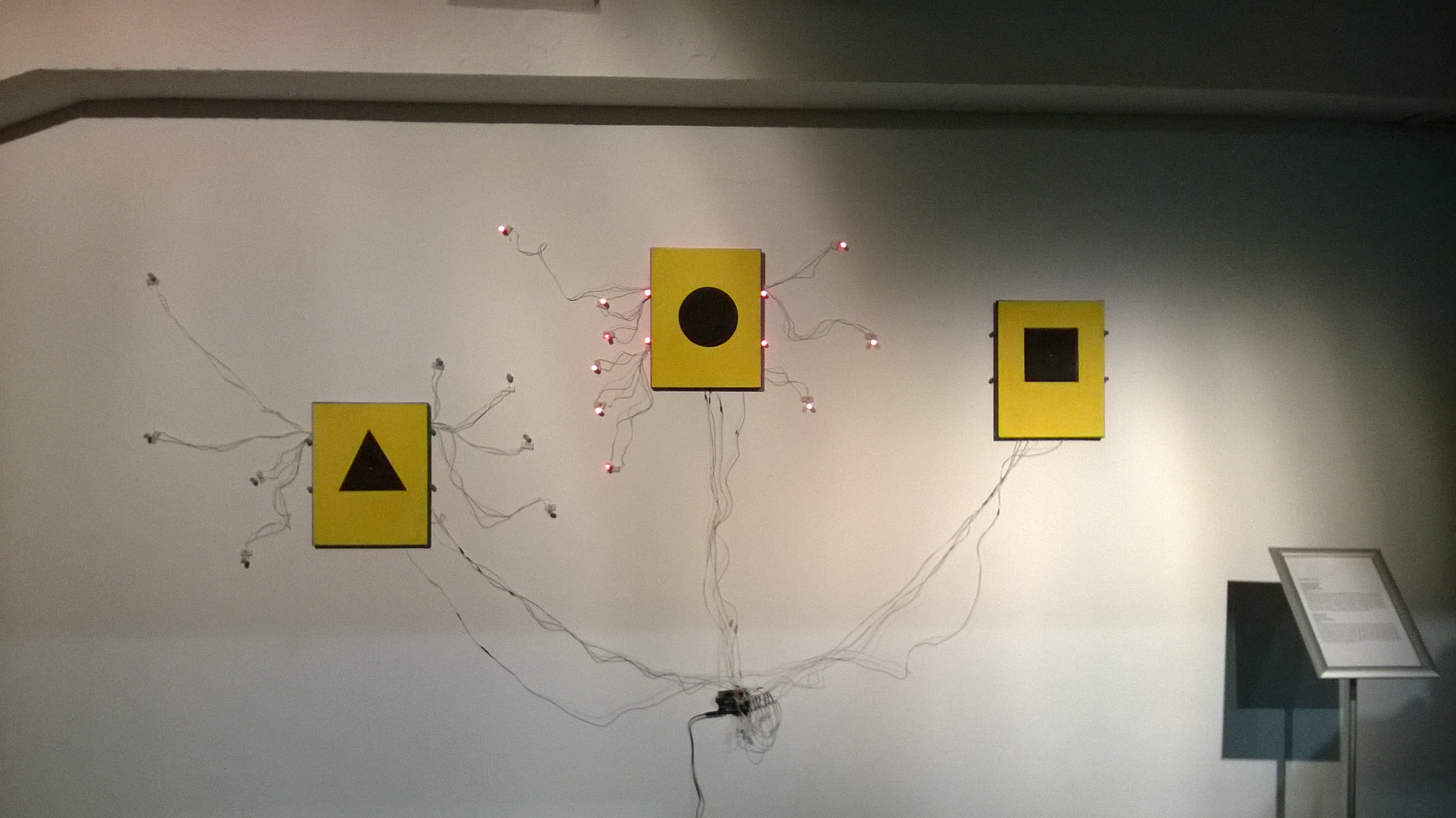
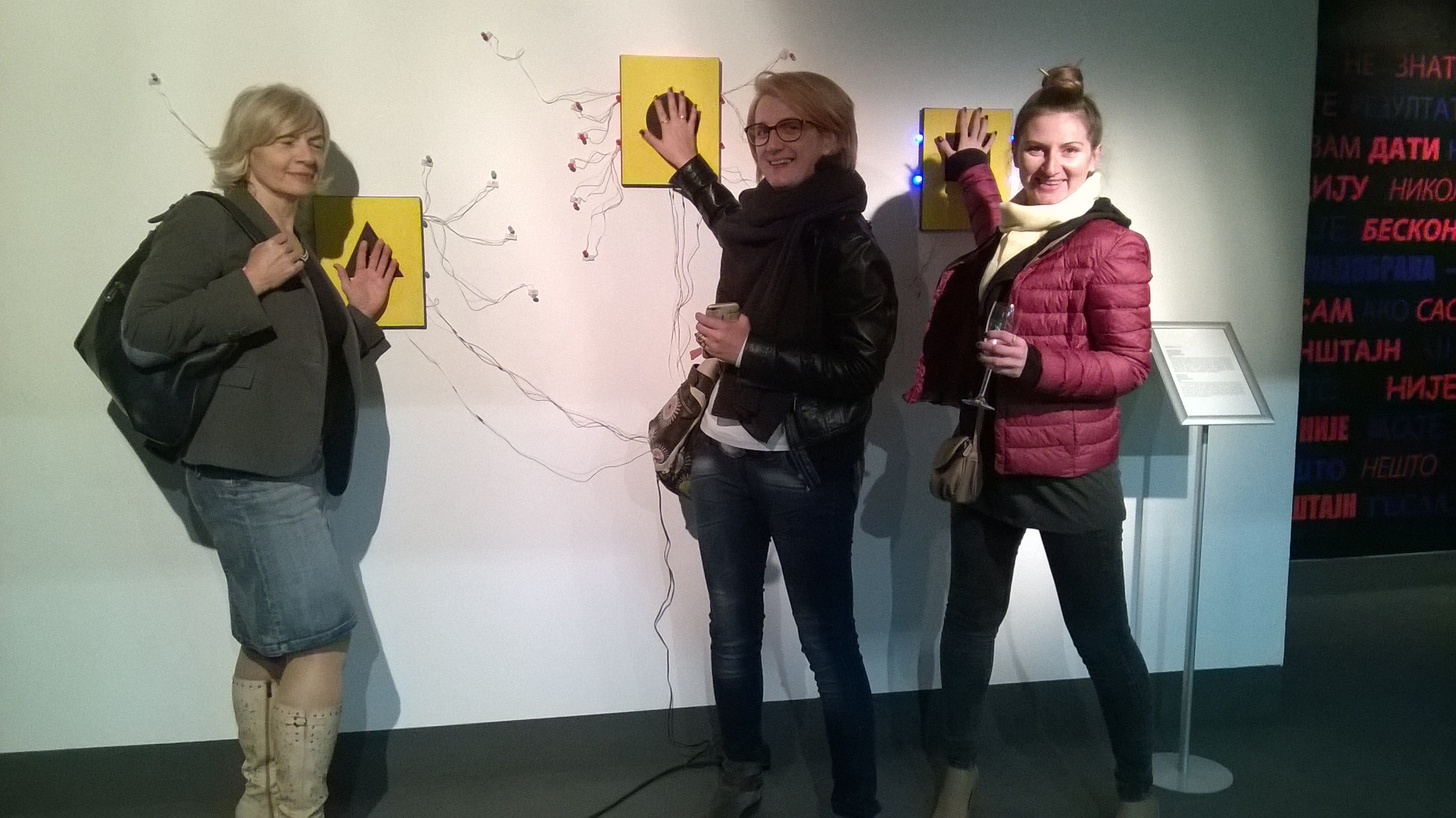
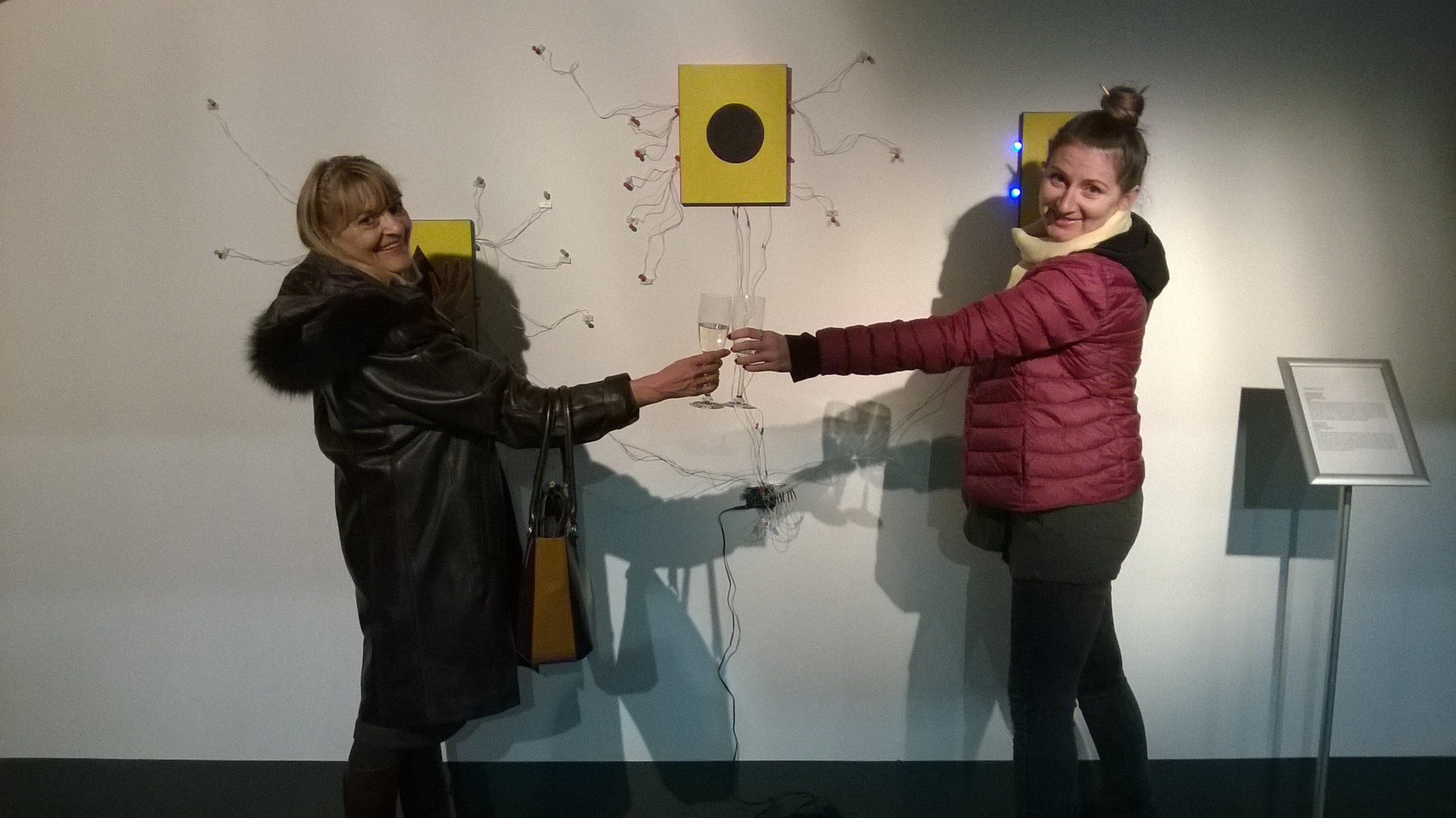
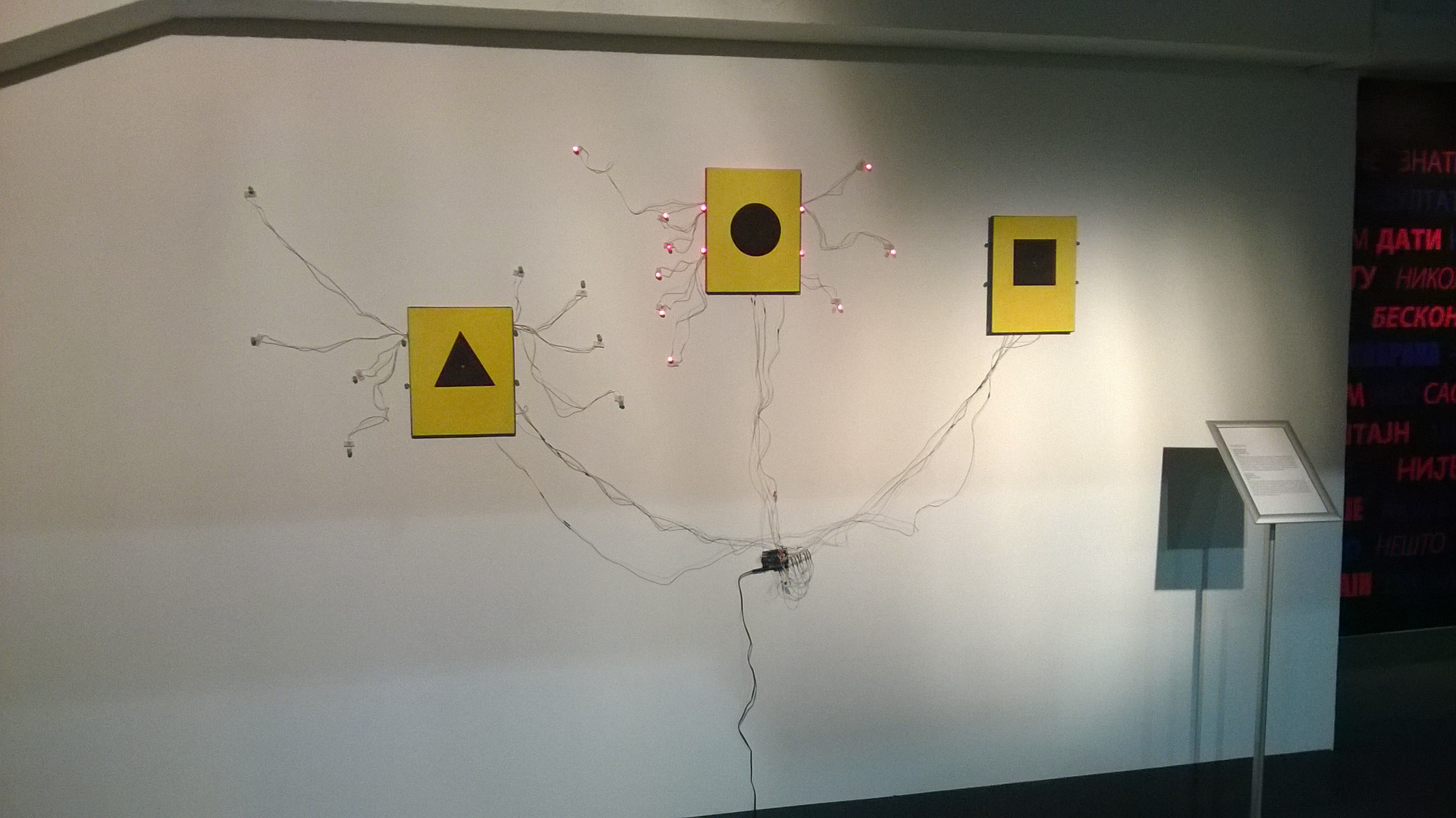
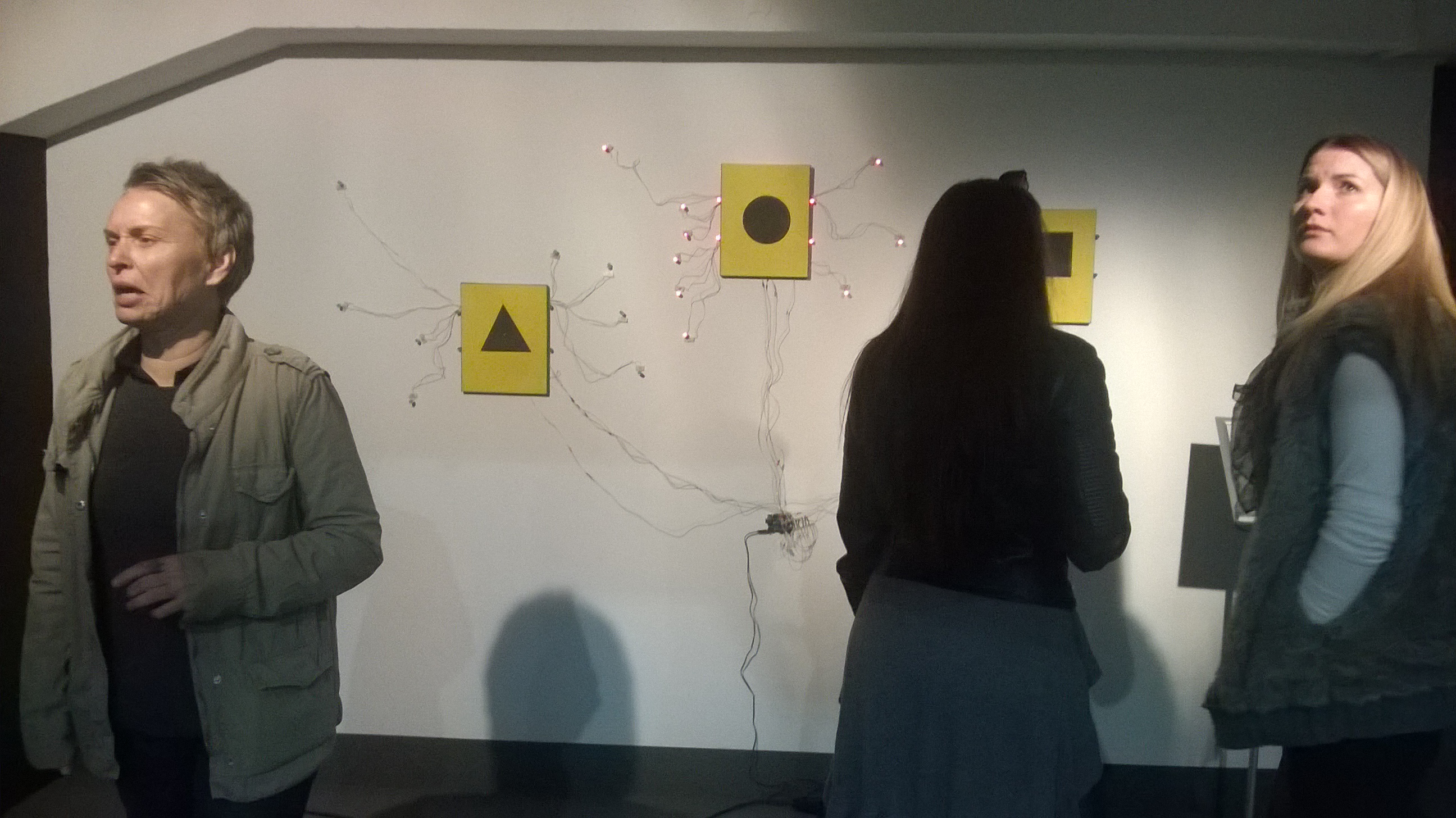
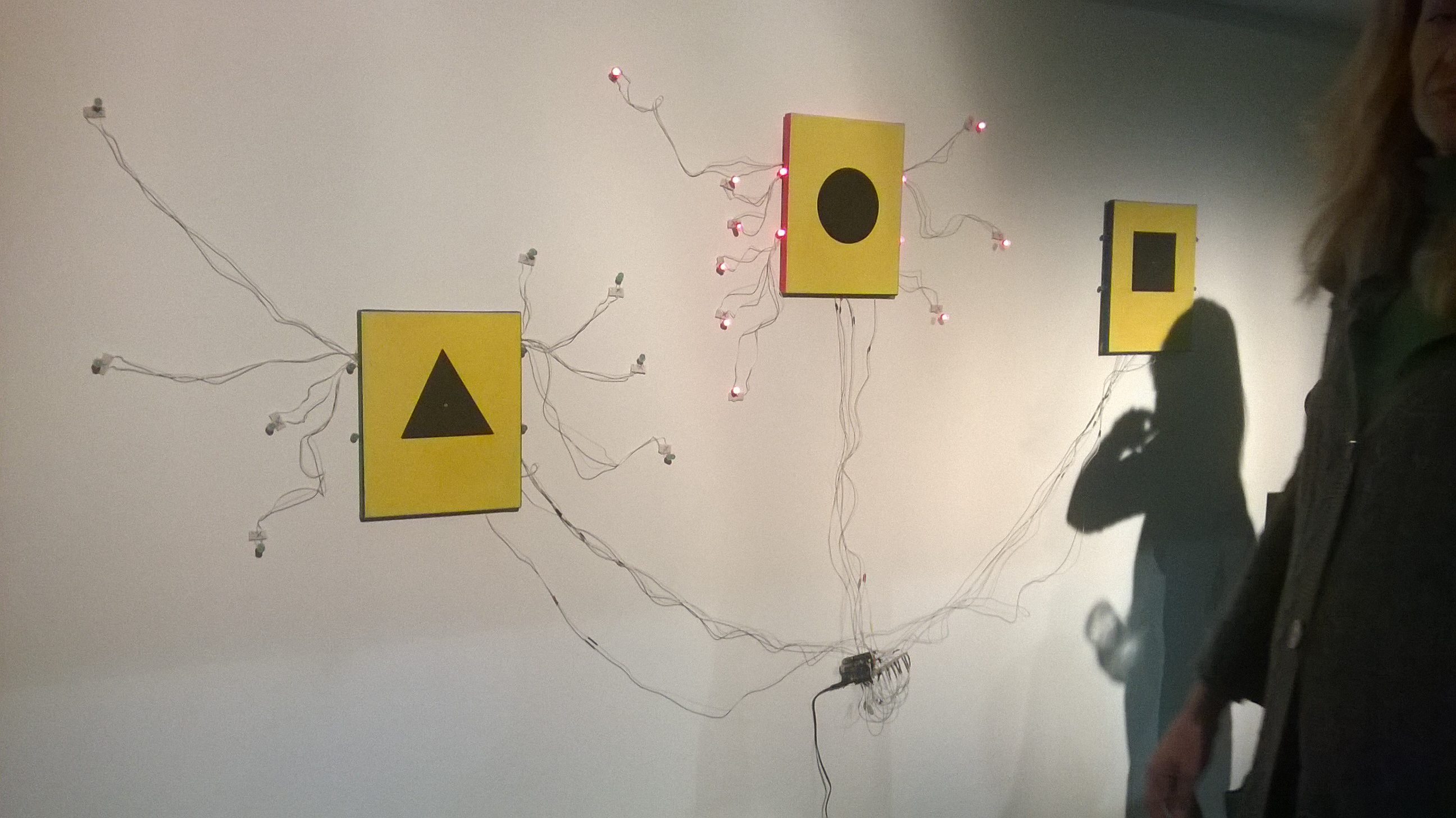
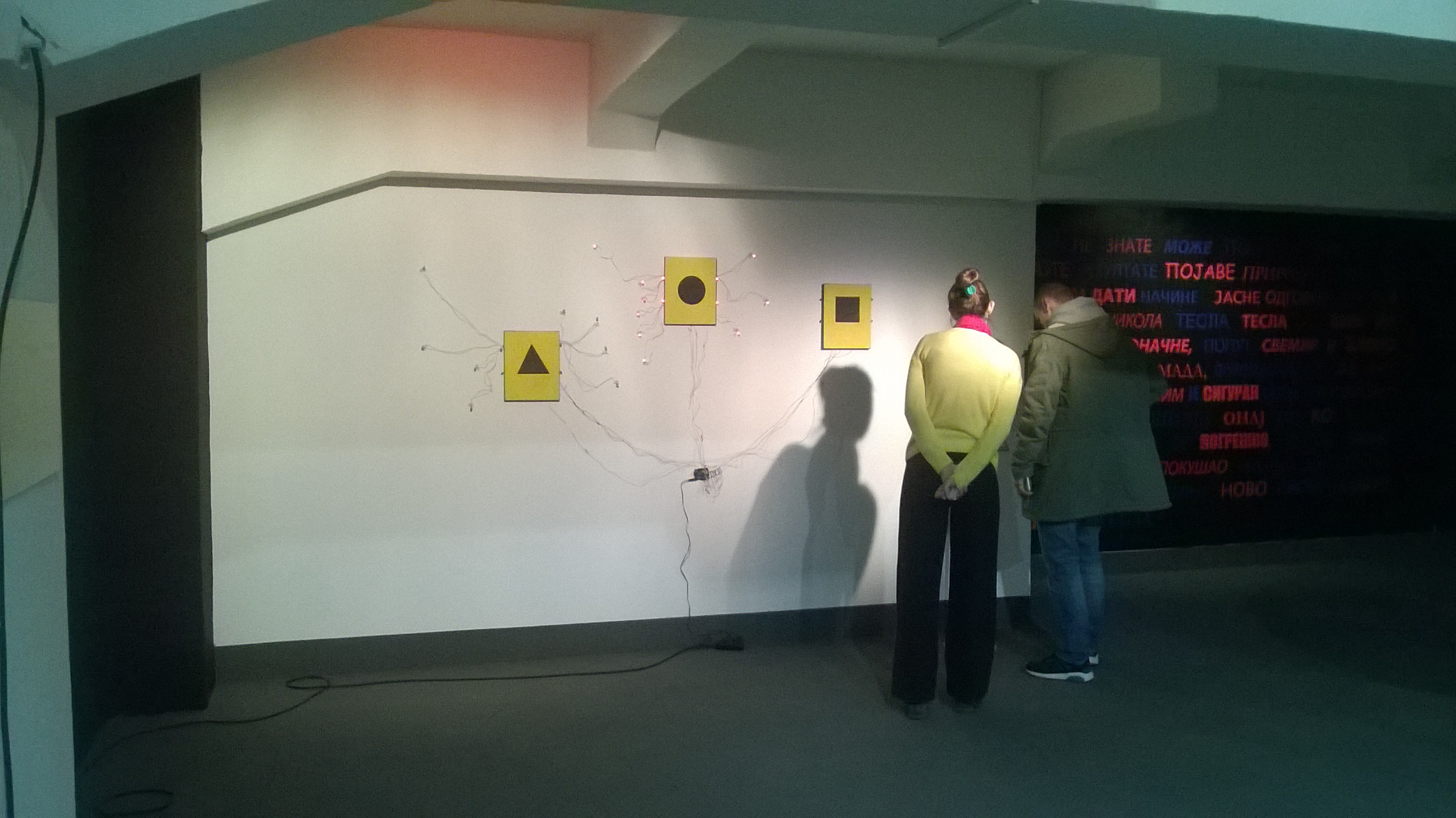
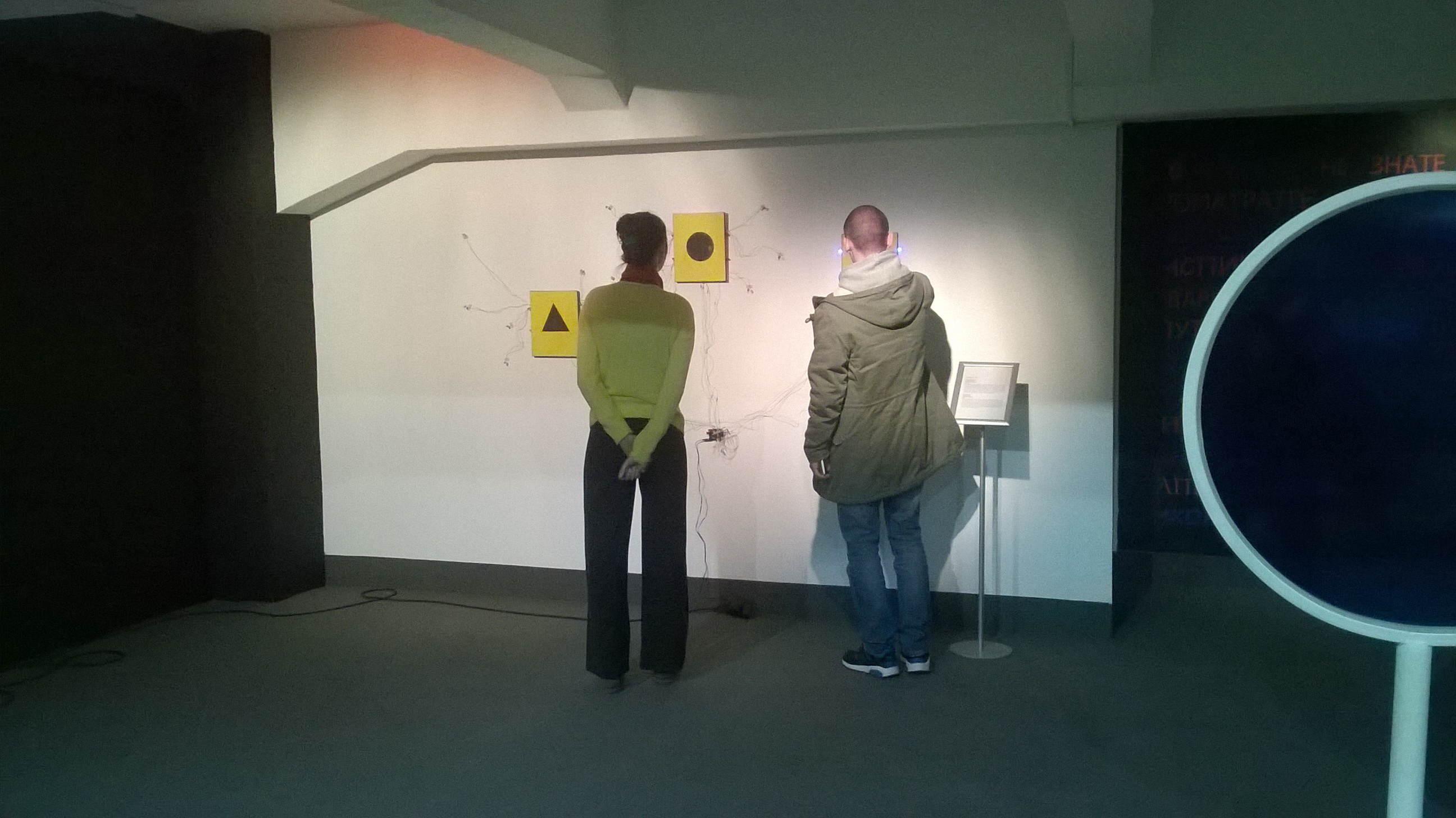
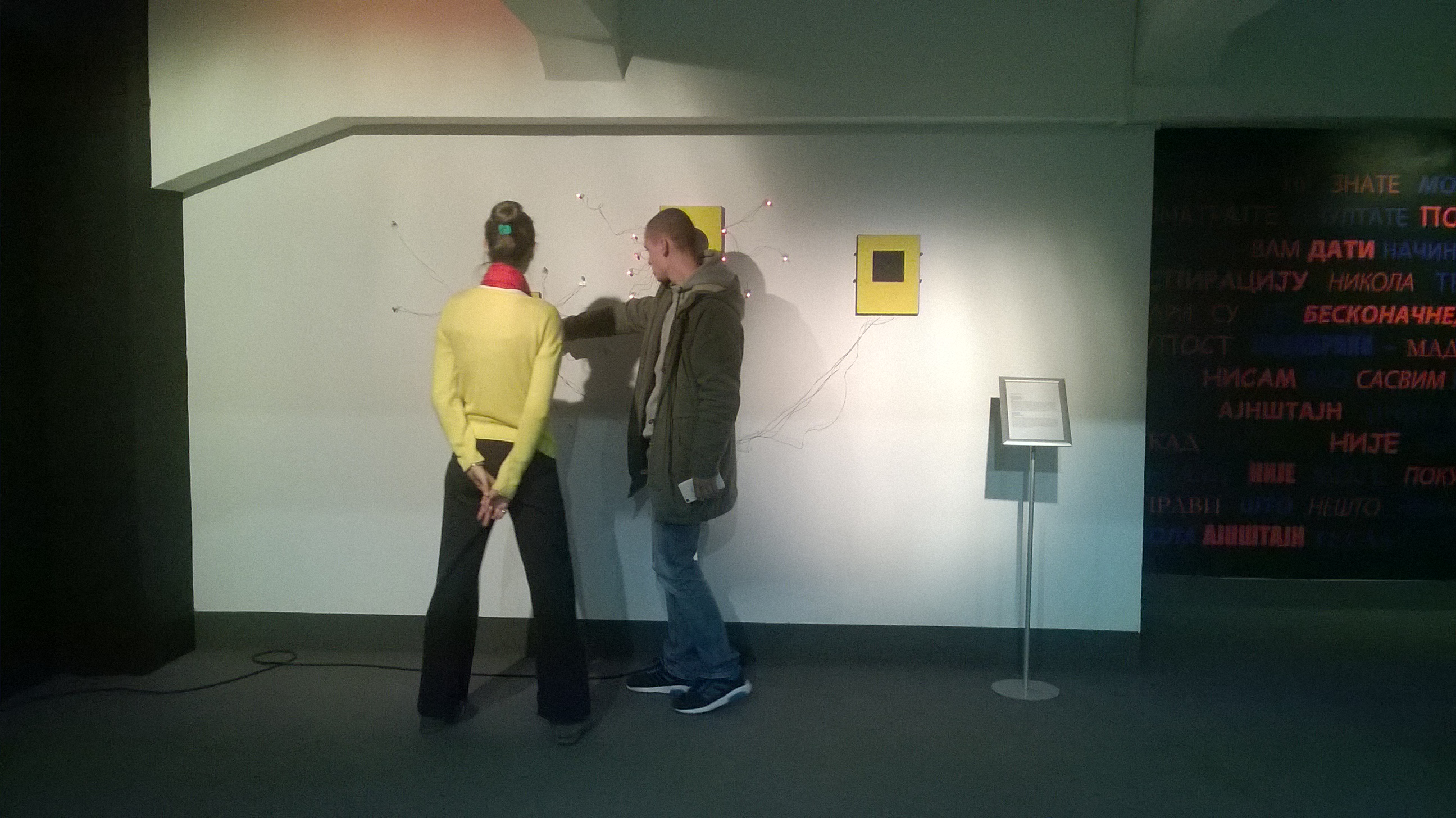
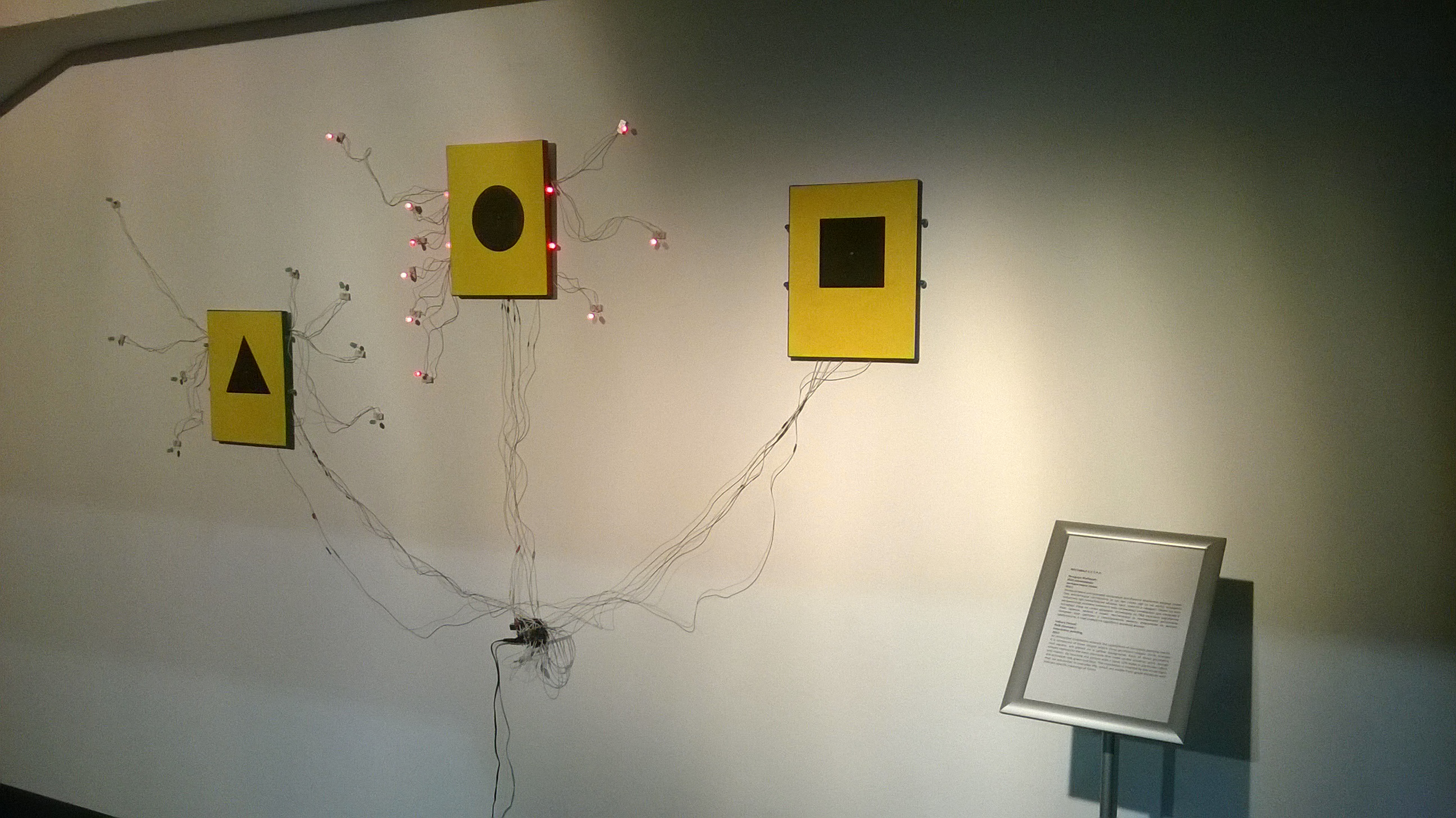
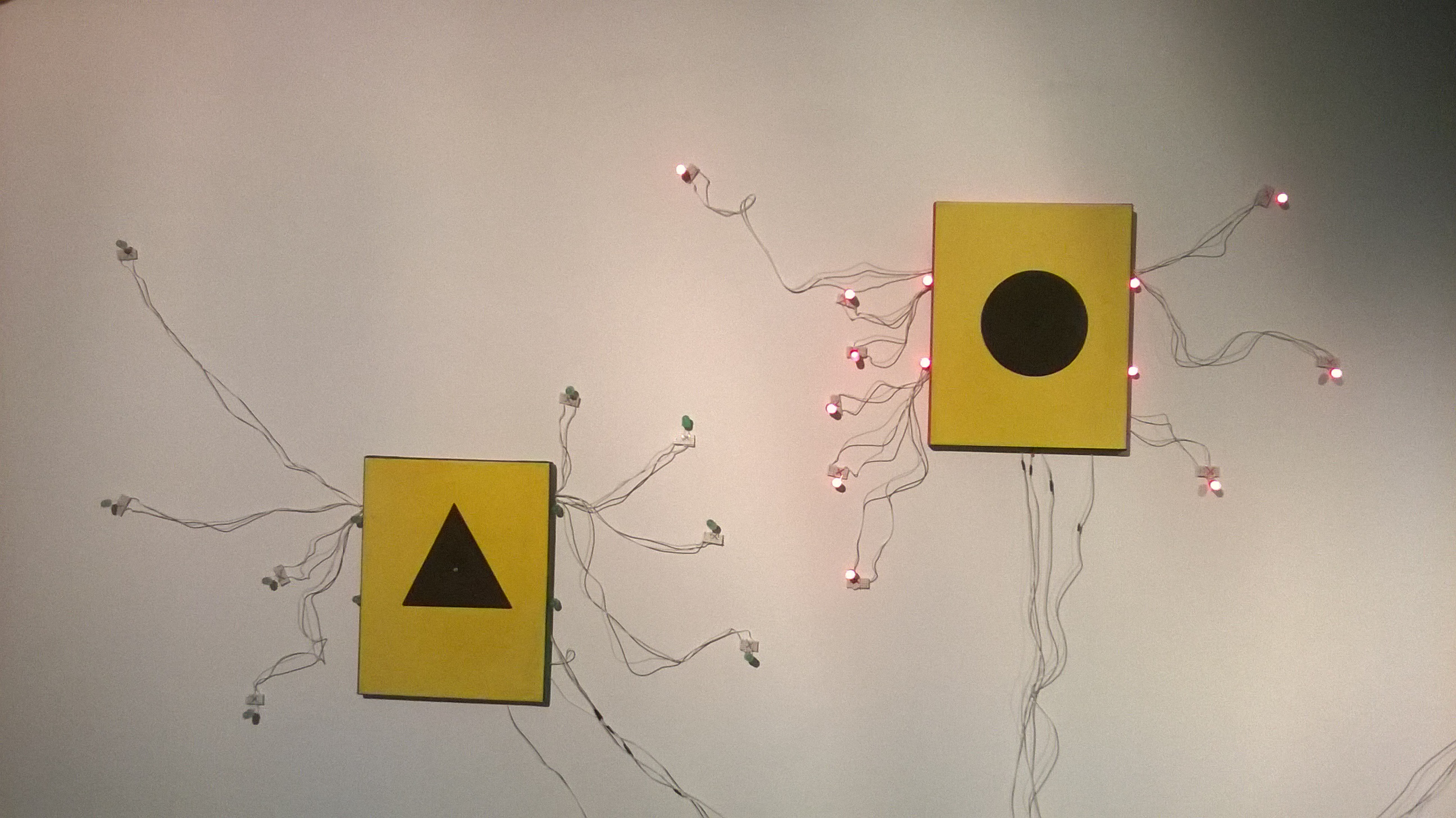
Интерактивна инсталација проширује могућности класичног медија слике. Ова инсталација састављена је од три слике где су на жутој позадини смештена три геометријска облика: круг, троугао и квадрат. Сваки од њих репрезентује основне елементе који сачињавају универзум: дух, енергију и материју. Када се слика додирне, активирају се ЛЕД сијалице одређених боја: црвене, зелене и плаве. Инсталација је инспирисана визуелним знацима које срећемо у свакодневном животу, видљивим са велике удаљености, а који указују на одређено значење форми.

Иван Станић

Isidora Fićović
RGB Geometry
interactive painting
2015
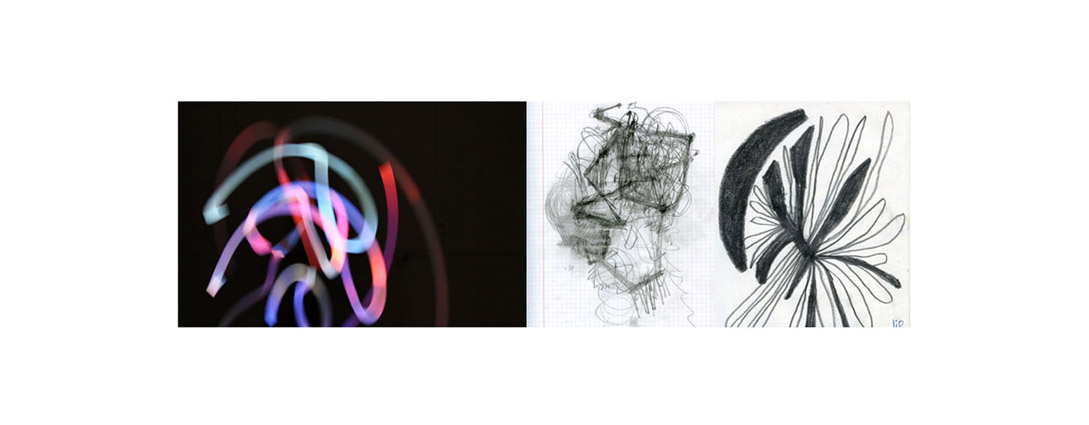
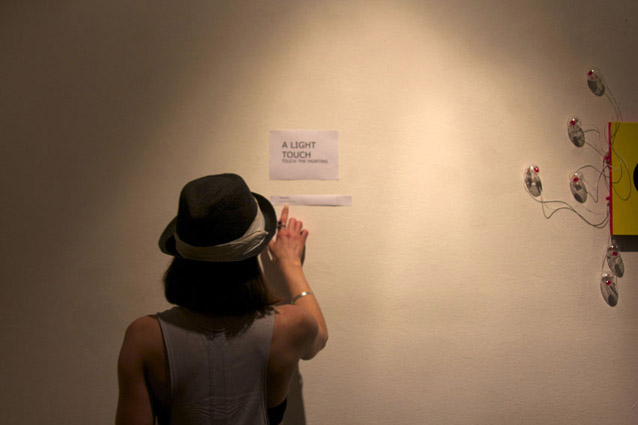
An interactive installation extends the capabilities of the classic painting media. It is composed of three images where three geometric shapes: circle, triangle and square, are placed on a yellow background. Each of these geometric shapes represents the basic elements that make up the universe: spirit, energy and matter. By touching the picture with a hand, LED bulbs in particular colors are activated: red, green and blue. The installation is inspired by the visual signs that we encounter in everyday life, which are visible from great distances and indicate specific meanings of forms.

Ivan Stanić


back